Natural language is one of the most important ways humans share ideas, feelings, information, and experiences. Every day, people use natural language when they talk with friends, write emails, search for information online, ask questions, or explain their thoughts. Unlike computer programming languages, natural language is flexible, expressive, and constantly changing.
Today, the term “natural language” is becoming even more important because of artificial intelligence, voice assistants, chatbots, search engines, and other digital technologies. Machines are becoming better at understanding the way people communicate, making technology easier and more convenient to use.
But what exactly is natural language, and why does it matter so much? Let’s explore how it works, where it is used, and how it is changing the relationship between people and technology.
What Is Natural Language?
Natural language refers to the languages that humans naturally use to communicate with one another. English, Spanish, French, German, Chinese, Arabic, and thousands of other human languages are examples of natural languages.
Natural language includes more than just individual words. It involves grammar, sentence structure, context, tone, meaning, and cultural expressions. For example, when someone says, “It’s cold in here,” they may simply be describing the temperature. However, depending on the situation, they could also be indirectly asking someone to close a window or turn up the heat.
This ability to communicate indirectly and understand meaning from context makes natural language very different from the strict instructions used by computers.
Human communication can also contain humor, sarcasm, slang, abbreviations, spelling mistakes, and regional expressions. People usually understand these differences without needing to think about them. For computers, however, understanding such communication can be much more difficult.
Natural Language vs. Computer Language
Natural language is designed by people through everyday communication and cultural development. Computer languages, on the other hand, are created specifically for giving instructions to machines.
For example, a person might tell a computer:
“Find me a good restaurant near downtown.”
This is natural language because it sounds like something one person would say to another.
A programming language would require a specific structure and syntax that the computer can process. A small error in computer code may cause a program to stop working, while humans can often understand a sentence even when it contains spelling or grammatical mistakes.
Natural language is therefore more flexible, while computer language is generally more structured and precise.
How Natural Language Processing Works
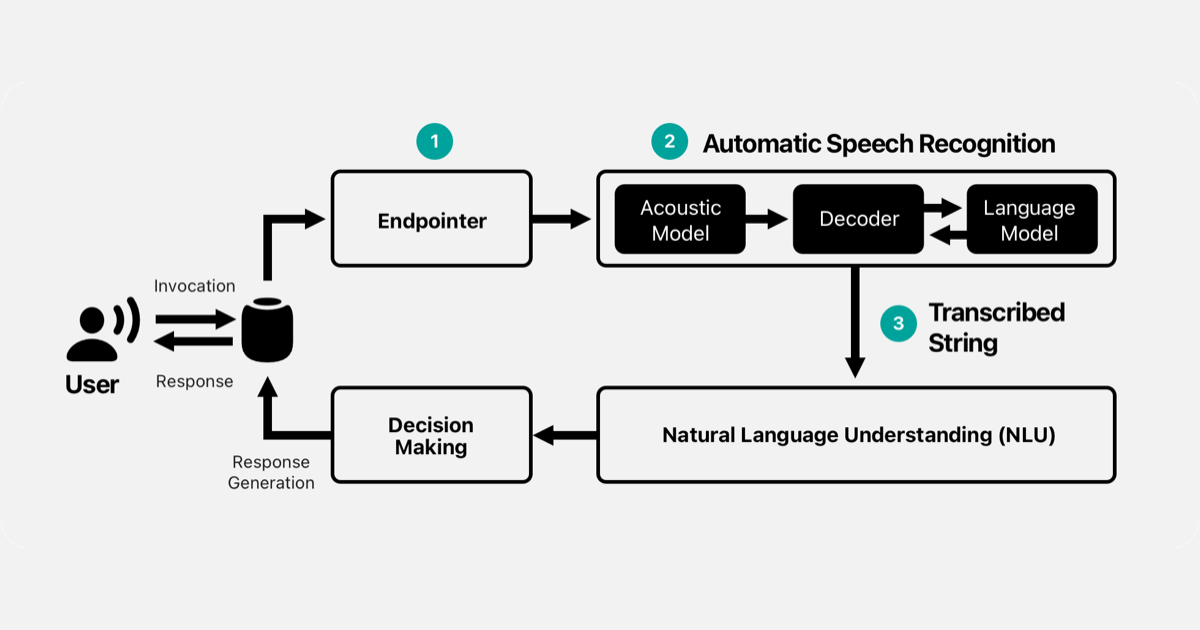
One major technology connected to natural language is Natural Language Processing, commonly known as NLP. NLP is a field of artificial intelligence that helps computers understand, process, and generate human language.
NLP allows machines to work with large amounts of text and speech. It can be used to identify important information, understand questions, translate languages, summarize documents, and generate responses.
A simple NLP system may break a sentence into individual words and analyze how those words relate to each other. More advanced systems can consider the context of an entire conversation.
For example, if a user says:
“I want to book a flight to Chicago.”
Then follows with:
“Make it for next Friday.”
An intelligent system needs to understand that “it” refers to the flight and that “next Friday” relates to the requested travel date. Understanding these relationships is an important part of natural language technology.
Why Natural Language Matters in Artificial Intelligence
Natural language has become central to modern artificial intelligence because it provides an easy way for people to interact with technology.
In the past, users often needed to learn specific commands or navigate complicated menus to perform digital tasks. Today, many AI systems allow people to simply describe what they want.
For example, someone can ask an AI assistant to explain a difficult topic, summarize a long document, create a list of ideas, or help write an email. The user does not necessarily need technical knowledge to communicate with the system.
This makes technology more accessible to students, professionals, businesses, older adults, and people who may not feel comfortable using complicated software.
Everyday Examples of Natural Language Technology
Many people already use natural language technology without realizing how often it appears in their daily lives.
Voice assistants are one common example. People can speak naturally to their phones, smart speakers, or other devices to set reminders, check information, control smart-home devices, or answer simple questions.
Search engines also rely heavily on natural language understanding. Instead of entering a few disconnected keywords, users can type complete questions such as, “What are the best places to visit in California during the summer?”
Customer service chatbots are another example. Businesses use AI-powered systems to answer common questions, help customers find information, and provide support.
Translation tools use natural language technology to convert text from one language into another. Email platforms can also use it to detect spam, suggest responses, or identify the general purpose of a message.
Natural Language in Business
Businesses are increasingly using natural language technology to improve communication and productivity.
Customer support teams can use AI tools to analyze thousands of customer conversations and identify common complaints or frequently asked questions. This information can help companies improve their products and services.
Marketing teams can analyze customer reviews and social media conversations to understand how people feel about a brand. This type of analysis is often called sentiment analysis.
Natural language systems can also help employees search through large collections of company documents. Instead of manually checking hundreds of files, an employee may ask a question in plain English and receive information based on relevant documents.
These applications can save time and make large amounts of information easier to manage.
The Role of Natural Language in Search
Search behavior has changed significantly over the years. People once relied heavily on short keyword combinations when searching online. Today, many users enter complete questions and conversational phrases.
For example, instead of searching for:
“best laptop students”
a user might search:
“What is the best affordable laptop for a college student who needs it for school and light gaming?”
Modern search systems are increasingly capable of understanding the intent behind longer and more conversational queries.
This shift is important for content creators and businesses because useful content should answer real questions rather than simply repeat keywords. Writing clearly and naturally can help readers find the information they actually need.
Challenges of Understanding Natural Language
Although AI has made impressive progress, understanding natural language remains challenging.
One reason is ambiguity. A single word or sentence can have multiple meanings depending on context.
Consider the sentence:
“I saw her duck.”
This could mean that someone saw a woman lower her head, or it could mean that someone saw a duck belonging to her. Humans can often understand the intended meaning from the surrounding conversation, but a machine may need additional information.
Sarcasm and humor can also be difficult for AI systems. When someone says, “Great job!” after a mistake, the words may sound positive, but the speaker could actually be expressing frustration.
Regional accents, slang, cultural references, and informal writing create additional challenges. People frequently communicate with incomplete sentences or abbreviations, especially in text messages and social media.
Natural Language and Human Communication
One of the most interesting aspects of natural language is that it is not static. Languages evolve as societies change.
New words appear, older expressions become less common, and technology introduces new terms. Social media has also influenced the way people communicate by making abbreviations, emojis, informal phrases, and internet slang part of everyday conversations.
Because natural language is closely connected to culture, history, and human behavior, teaching a machine to understand it requires more than simply creating a dictionary. An AI system needs to recognize patterns, relationships, context, and sometimes cultural meaning.
The Future of Natural Language
The future of natural language technology is likely to become even more conversational.
AI systems are increasingly able to understand questions, maintain context, generate written content, and interact through voice. As these systems improve, people may communicate with computers more like they communicate with other people.
This could make many technologies easier to use. Instead of searching through settings or learning complicated software, users may simply explain what they want.
Natural language could also become more important in education. AI tutors may explain lessons in different ways depending on a student’s questions and level of understanding. In healthcare, language-based systems may help organize information and support administrative tasks. In business, employees may use conversational interfaces to access reports, documents, and data.
However, the development of these technologies also raises important questions about privacy, accuracy, bias, and responsible AI use. A system that understands human language must be designed carefully because language can contain sensitive information and complex social meanings.
Frequently Asked Questions About Natural Language
1. What is natural language?
Natural language refers to the languages humans naturally use to communicate, such as English, Spanish, French, and Chinese. It includes words, grammar, sentence structure, context, tone, and meaning.
2. Why is natural language important?
Natural language is important because it makes communication between people and technology easier. It allows users to interact with search engines, AI assistants, chatbots, and other digital tools using normal human language.
3. What is Natural Language Processing?
Natural Language Processing, or NLP, is a branch of artificial intelligence that enables computers to understand, analyze, interpret, and generate human language. It is used in applications such as translation tools, chatbots, voice assistants, and text analysis.
4. What is the difference between natural language and programming language?
Natural language is created and used by humans for everyday communication, while programming languages are designed to give precise instructions to computers. Natural language is flexible and can contain ambiguity, whereas programming languages generally follow strict rules and syntax.
5. How is natural language used in everyday life?
Natural language technology is used in many everyday applications, including voice assistants, search engines, online customer support, translation services, email tools, and AI-powered applications. These technologies allow people to communicate with computers using ordinary language.
6. Can artificial intelligence understand natural language?
Yes, modern artificial intelligence systems can understand many aspects of natural language, including questions, context, and intent. However, understanding sarcasm, humor, cultural references, slang, and ambiguous statements can still be challenging.
7. How does natural language improve search engines?
Natural language helps search engines understand the meaning and intent behind a user’s query. Instead of relying only on individual keywords, modern search systems can interpret longer, conversational questions and provide more relevant information.
8. What is the future of natural language technology?
The future of natural language technology is likely to become increasingly conversational. AI systems may become better at understanding context, voice, emotions, and user intent, making digital tools easier and more natural for people to use.
Conclusion
Natural language is the foundation of human communication, and it is becoming an increasingly important part of modern technology. From search engines and voice assistants to AI chatbots and business software, natural language allows people to interact with machines in a more familiar and convenient way.
The goal is not simply to make computers recognize individual words. True natural language understanding requires technology to interpret context, intent, tone, and meaning.
As artificial intelligence continues to develop, the connection between human language and technology will become even stronger. Natural language has the potential to make digital tools more accessible, more useful, and easier for everyone to use.
For users, the biggest advantage is simple: technology can increasingly understand what people mean without requiring them to speak like a computer. That shift is helping create a more natural relationship between humans and machines—and it may shape the future of communication for years to come.