Technology has always changed the way people work, but few developments have created as much excitement as artificial intelligence. Today, businesses of all sizes are looking for smarter ways to save time, reduce costs, improve customer experiences, and make better decisions. One of the most effective ways to achieve these goals is through AI automation.
AI automation combines artificial intelligence with automated processes to complete tasks with little or no human involvement. Unlike traditional automation, which usually follows a fixed set of rules, AI-powered systems can analyze information, recognize patterns, understand language, and make decisions based on changing circumstances.
From small businesses to large corporations, AI automation is becoming an important part of modern business operations. It can handle repetitive work while allowing employees to focus on activities that require creativity, communication, strategy, and human judgment.
What Is AI Automation?
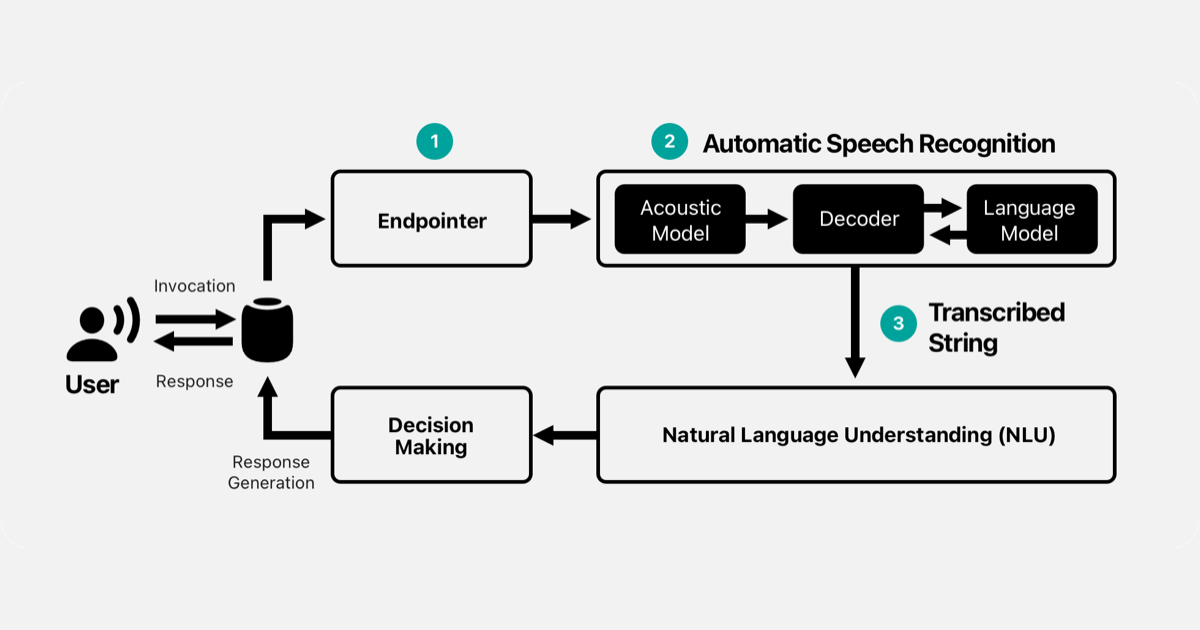
AI automation refers to the use of artificial intelligence technologies to automate tasks, workflows, and business processes. It can involve technologies such as machine learning, natural language processing, computer vision, generative AI, and intelligent software systems.
Traditional automation might be programmed to send an email every time a customer completes a form. AI automation can take this process much further. It can understand the customer’s message, determine what they need, categorize the request, generate an appropriate response, and even decide whether the issue should be sent to a human employee.
In simple terms, traditional automation follows instructions, while AI automation can understand situations and respond intelligently.
This difference makes AI automation particularly useful for businesses that deal with large amounts of information or processes that change frequently.
Why Is AI Automation Becoming So Popular?
Businesses are under constant pressure to do more with fewer resources. Employees often spend hours on repetitive activities such as data entry, scheduling, responding to basic customer questions, preparing reports, and organizing information.
Although these tasks are necessary, they do not always require human creativity or expertise.
AI automation can take care of many of these responsibilities. As a result, employees can spend more time working on projects that have a direct impact on business growth.
Another reason for its growing popularity is the increasing availability of affordable AI tools. In the past, implementing advanced AI technology required large budgets and specialized teams. Today, many cloud-based platforms allow small and medium-sized businesses to introduce AI-powered automation without building an entire system from scratch.
Common Uses of AI Automation
AI automation can be applied to almost every department of a modern business. Some of the most common applications include customer service, marketing, sales, finance, human resources, and operations.
1. Customer Support
Customer service is one of the most visible applications of AI automation. AI-powered chatbots and virtual assistants can answer frequently asked questions, provide basic information, help customers navigate websites, and assist with simple problems.
For example, an online store can use an AI assistant to answer questions about shipping, returns, product availability, and order status. More complicated issues can automatically be transferred to a human support representative.
This allows customers to receive assistance quickly while reducing the workload for customer service teams.
2. Marketing Automation
Marketing teams handle a large number of repetitive activities. AI automation can help businesses analyze customer behavior, organize leads, personalize messages, create content ideas, and automate email campaigns.
AI systems can examine customer interactions and identify patterns that may be difficult for a person to notice manually. Businesses can then use these insights to deliver more relevant messages to their audiences.
For example, an automated marketing system could identify customers who have shown interest in a particular product and send them a personalized follow-up message.
3. Sales and Lead Management
Sales teams spend considerable time managing leads, updating customer records, sending follow-up emails, and scheduling meetings.
AI automation can simplify these processes. An AI system can evaluate incoming leads, identify potential high-value prospects, update a customer relationship management system, and remind sales representatives when follow-up is necessary.
Instead of spending hours organizing information, sales professionals can focus on conversations and building relationships with potential customers.
4. Data Entry and Document Processing
Data entry is another area where AI automation can make a significant difference. Businesses often receive information through invoices, applications, emails, forms, and other documents.
AI-powered systems can extract relevant information from these documents and enter it into the appropriate software.
This can reduce manual work and help minimize errors. It is especially useful for companies that process thousands of documents every month.
5. Human Resources
Human resources departments can also benefit from AI automation. Automated systems can help organize applications, schedule interviews, answer common employee questions, manage onboarding tasks, and organize HR documents.
For example, when a new employee joins a company, an automated workflow can send onboarding instructions, create accounts, schedule training sessions, and notify the relevant departments.
HR professionals can then spend more time focusing on employee development and workplace culture.
Benefits of AI Automation
The benefits of AI automation go beyond simply saving time.
Increased Productivity
When repetitive tasks are handled automatically, employees can concentrate on higher-value work. This can improve overall productivity without necessarily increasing the size of the workforce.
Reduced Operational Costs
Automation can reduce the amount of time employees spend on repetitive processes. Over time, this can help businesses control operational expenses and use their resources more efficiently.
Fewer Human Errors
People naturally make mistakes, particularly when performing repetitive tasks for long periods. AI automation can perform certain processes consistently, reducing the risk of common data-entry and administrative errors.
Faster Responses
Customers increasingly expect quick responses. AI-powered systems can operate around the clock and respond to many requests within seconds. This can improve customer satisfaction and prevent businesses from losing customers because of slow communication.
Better Decision-Making
AI can analyze large amounts of information much faster than a person can. Businesses can use these insights to identify trends, understand customer behavior, forecast demand, and make more informed decisions.
AI Automation vs. Traditional Automation
Although the terms sound similar, AI automation and traditional automation are not exactly the same.
Traditional automation generally works according to predetermined rules. If a specific condition occurs, the system performs a specific action.
AI automation is more flexible. It can analyze unstructured information, learn from data, recognize patterns, and sometimes make predictions or recommendations.
Consider an email inbox as an example. Traditional automation might move emails containing a particular word into a folder. AI automation can analyze the meaning of the message and determine whether it is a sales inquiry, customer complaint, billing question, or urgent request.
This ability to understand context is what makes AI automation so powerful.
Challenges Businesses Should Consider
Despite its advantages, AI automation is not a magic solution for every business problem.
One important concern is data privacy. Companies need to understand how their data is collected, stored, and processed. Sensitive customer or employee information should be handled carefully.
Another challenge is accuracy. AI systems can make incorrect decisions, especially when they receive poor-quality data or encounter situations they were not designed to handle.
Businesses should also consider employee training. Introducing new technology without preparing employees can create confusion and resistance.
For these reasons, successful AI automation usually requires a thoughtful implementation strategy. Companies should begin with practical problems where automation can provide measurable value rather than attempting to automate everything at once.
How to Start With AI Automation
Businesses interested in AI automation can start with a simple process.
First, identify repetitive tasks that consume a significant amount of employee time. These could include answering common questions, processing documents, scheduling appointments, or creating routine reports.
Next, determine whether the process is suitable for AI. Tasks involving large amounts of data, repetitive communication, or pattern recognition are often good candidates.
The next step is to choose an appropriate AI automation solution. Businesses should consider factors such as cost, security, integration capabilities, ease of use, and scalability.
It is also important to test the system before using it on a large scale. A small pilot project can help identify problems and show whether the automation is actually delivering the expected results.
Finally, businesses should monitor performance continuously. AI automation should not simply be installed and forgotten. Regular evaluation can help companies improve workflows and ensure that the technology continues to meet business needs.
The Future of AI Automation
The future of AI automation is likely to be even more connected and intelligent. As AI technology continues to improve, automated systems will become better at understanding language, analyzing complex information, and working across multiple business applications.
Instead of using separate tools for individual tasks, businesses may increasingly use AI systems that can manage entire workflows.
For example, a customer could submit a request through a website. An AI system could understand the request, check the company’s database, create a support ticket, communicate with the customer, update the CRM, and notify an employee if human assistance is required.
This type of intelligent workflow could significantly change how businesses operate.
However, the future of AI automation will not necessarily mean removing humans from the workplace. In many cases, the most effective approach will be collaboration between people and AI. Machines can handle repetitive and data-heavy tasks, while humans provide creativity, empathy, critical thinking, and judgment.
Frequently Asked Questions About AI Automation
1. What is AI automation?
AI automation is the use of artificial intelligence to perform tasks and manage business processes with minimal human involvement. It can understand information, recognize patterns, make decisions, and complete repetitive tasks more efficiently than traditional automation.
2. How does AI automation help businesses?
AI automation helps businesses save time, reduce operational costs, improve productivity, minimize repetitive work, and provide faster customer service. It also allows employees to focus on more important tasks that require creativity and human judgment.
3. What tasks can be automated with AI?
Many tasks can be automated with AI, including customer support, email management, data entry, document processing, lead qualification, appointment scheduling, marketing campaigns, report generation, and routine administrative work.
4. Is AI automation suitable for small businesses?
Yes, AI automation can be useful for small businesses. Many affordable AI-powered tools are available today, allowing small companies to automate customer service, marketing, scheduling, and administrative tasks without investing in complex technology.
5. What is the difference between AI automation and traditional automation?
Traditional automation generally follows predefined rules, while AI automation can analyze information, understand context, identify patterns, and make intelligent decisions. This makes AI automation more flexible when dealing with complex or changing tasks.
6. Can AI automation replace human employees?
AI automation can replace some repetitive tasks, but it does not necessarily replace employees. In many businesses, AI works alongside people by handling routine activities while employees focus on creativity, communication, critical thinking, and decision-making.
7. Is AI automation expensive to implement?
The cost of AI automation depends on the type of technology, business requirements, and complexity of the workflow. Many cloud-based AI tools offer affordable plans, making it possible for businesses to start with small automation projects and expand gradually.
8. What is the future of AI automation?
The future of AI automation is expected to involve more intelligent and connected workflows. AI systems will increasingly be able to understand complex requests, work across multiple applications, analyze data, and complete entire business processes while humans remain involved in important decisions.
Final Thoughts
AI automation is quickly becoming an important business technology because it offers a practical way to improve efficiency, reduce repetitive work, and create better customer experiences.
The real value of AI automation is not simply that machines can perform tasks. Its greater advantage is that businesses can redesign their workflows around smarter technology and allow employees to focus on work that requires uniquely human skills.
Companies that approach automation strategically can gain significant benefits while avoiding many of the risks associated with rushing into new technology.
As artificial intelligence continues to evolve, AI automation will likely become a normal part of everyday business operations. For organizations willing to experiment, learn, and adapt, it can become more than just a technology trend—it can be a powerful tool for building a faster, more efficient, and more competitive business.