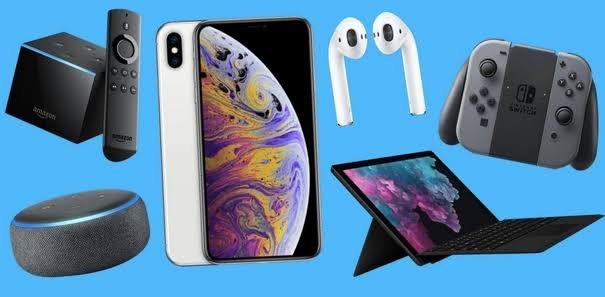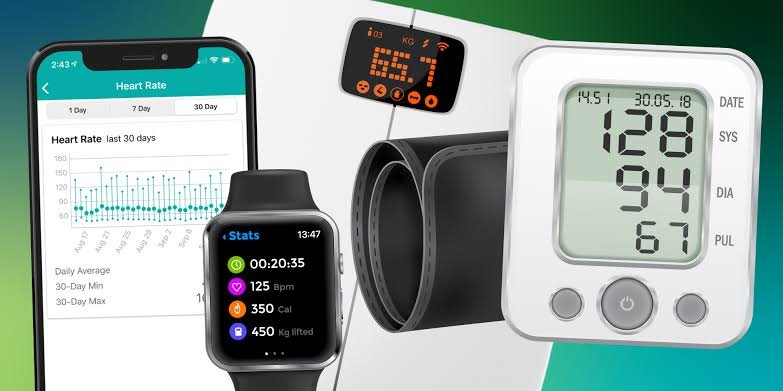
Choosing a new electronic device can feel surprisingly difficult. Whether you are looking for a smartphone, laptop, tablet, smartwatch, or another piece of technology, there are usually dozens of options available. Every device comes with different features, specifications, prices, and designs, making it easy to feel confused about which one is actually worth buying.
This is where device comparison becomes useful. Instead of choosing a product simply because it is popular or has an attractive advertisement, comparing devices allows you to look at their important features side by side. A proper comparison can help you understand which device fits your needs, budget, and everyday lifestyle.
What Is Device Comparison?
Device comparison is the process of evaluating two or more electronic devices based on their specifications, features, performance, price, design, and overall usefulness. The goal is not always to find the most expensive or powerful device. Instead, it is about finding the option that offers the best value for a particular user.
For example, a professional who works with large files may need a powerful laptop with plenty of memory and storage. A student, on the other hand, might prefer something lightweight, affordable, and reliable for taking notes, attending online classes, and browsing the internet.
The same idea applies to smartphones and tablets. One person may care most about camera quality, while another may prioritize battery life or screen size. A good device comparison takes these differences into account.
Why Device Comparison Matters
Technology changes quickly, and manufacturers regularly introduce new products. As a result, buying a device without doing some research can lead to disappointment.
One major advantage of comparison is that it helps you understand what you are actually paying for. Two devices can have similar prices but offer very different experiences. One may have a better display, while the other may provide stronger performance or longer battery life.
Comparison can also prevent unnecessary spending. Many users purchase high-end devices even though they do not need their advanced features. If your main activities involve browsing, messaging, watching videos, and using basic applications, you may not need the most powerful device on the market.
By comparing your options carefully, you can spend your money on features that genuinely matter to you.
Performance and Processing Power
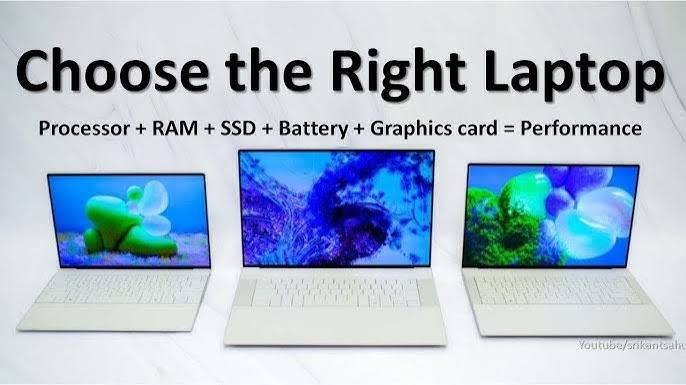
Performance is one of the first things people should consider when comparing devices. A device’s processor, RAM, graphics capabilities, and software optimization all influence how smoothly it performs.
For laptops and desktop computers, processing power becomes particularly important for demanding tasks such as video editing, programming, gaming, graphic design, and professional software. Someone performing these tasks should generally look for stronger hardware.
For everyday activities, however, extreme performance may not be necessary. A mid-range device can often handle web browsing, office applications, video streaming, and social media without any major problems.
When conducting a device comparison, think about your actual workload rather than choosing specifications simply because they look impressive on paper.
Display Quality and Size
The display is another important factor, especially for smartphones, tablets, and laptops. Screen size can affect both comfort and portability.
A larger display can be helpful for watching movies, editing documents, working with spreadsheets, or multitasking. However, larger devices can also be heavier and less convenient to carry.
Resolution and panel technology matter as well. A high-quality display can provide sharper images, better colors, and improved viewing angles. Some users may also benefit from higher refresh rates, particularly when gaming or scrolling through content.
Instead of assuming that the biggest or highest-resolution screen is automatically better, consider where and how you will use the device.
Battery Life
Battery life can have a major impact on everyday convenience. A device with excellent performance is not particularly useful if you constantly need to search for a charger.
When comparing devices, look beyond the advertised battery capacity. Real-world battery life can vary depending on screen brightness, applications, network connectivity, processor efficiency, and usage habits.
Someone who spends most of the day away from a power outlet may prioritize battery endurance over other features. A person who mainly uses a laptop at a desk may not consider battery life as important.
Battery charging speed can also be worth considering. Fast charging can be especially convenient for smartphones and tablets because even a short charging session can provide several hours of additional use.
Camera Capabilities
For smartphones and tablets, cameras have become a major selling point. Modern devices can offer multiple lenses, advanced image processing, optical stabilization, and improved low-light performance.
However, comparing cameras based only on megapixel numbers can be misleading. Image quality also depends on the sensor, lens quality, software processing, stabilization, and lighting conditions.
If photography is important to you, look at real-world camera samples and reviews rather than focusing solely on specifications.
For users who mainly take occasional photos for social media or personal memories, a good mid-range camera may be more than enough. Professional photographers or content creators may have different requirements.
Storage and Memory
Storage determines how much data you can keep on your device, including applications, photographs, videos, documents, and games.
People who frequently record high-resolution videos or download large games may need considerably more storage than someone who mostly streams content online.
RAM, meanwhile, influences how effectively a device handles multiple applications and tasks. More RAM can be beneficial for multitasking, but the ideal amount depends on the operating system and type of device.
During a device comparison, consider your current storage needs as well as your expected needs over the next few years. Buying a device with slightly more storage today may be cheaper and more convenient than replacing it later.
Operating System and Software
Hardware is only one part of the user experience. The operating system and software ecosystem can be equally important.
Different platforms offer different interfaces, application selections, security features, update policies, and levels of customization. Some users may already own accessories or other devices that work particularly well within a specific ecosystem.
Software updates should also be considered. A device that receives regular security and operating system updates can remain useful for longer and provide better protection against emerging security threats.
Therefore, when comparing devices, do not ignore the software experience simply because hardware specifications appear more impressive.
Design, Build Quality, and Portability
The physical design of a device affects how enjoyable it is to use every day. Build materials, weight, thickness, keyboard quality, button placement, and overall ergonomics can all make a difference.
For people who travel frequently, portability may be more important than raw performance. A lightweight laptop can be easier to carry around than a heavier high-performance model.
Durability is another consideration. If a device will be used in demanding environments, a sturdy construction may be worth paying extra for.
A device comparison should therefore include practical considerations, not just numbers and technical specifications.
Price and Overall Value
Price is naturally one of the most important factors when choosing technology. However, the cheapest option is not always the best value.
A low-priced device may lack important features or become outdated quickly. At the same time, an expensive flagship device may include capabilities that most users never use.
The best approach is to compare the price with the features you actually need. Think about performance, software support, durability, warranty, accessories, and potential repair costs.
It can also be useful to consider the total cost of ownership. A slightly more expensive device that lasts several additional years may ultimately provide better value than a cheaper product that needs to be replaced sooner.
How to Compare Devices Effectively
A simple comparison process can make your decision much easier.
First, identify your main purpose. Decide whether you need the device for work, education, entertainment, gaming, photography, communication, or a combination of activities.
Next, create a list of your essential features. For example, you might require a long-lasting battery, a specific amount of storage, a lightweight design, or compatibility with particular software.
After that, compare several devices based on those requirements. Avoid concentrating on a single specification. Instead, look at the complete package.
Reading professional reviews and user experiences can also provide valuable information. Specifications tell you what a device has, while reviews can explain how those features perform in real-world situations.
Finally, consider future needs. Technology should ideally serve you for several years, so choosing a device that can handle your expected requirements can be a smart investment.
Common Mistakes to Avoid
One common mistake is buying a device based entirely on brand reputation. A well-known brand can produce excellent products, but that does not automatically mean every model is the best choice for every user.
Another mistake is focusing too much on specifications. Bigger numbers do not always translate into a noticeably better experience. Software optimization and hardware integration can make a significant difference.
Some buyers also overlook repairability, warranty coverage, and software support. These factors may not seem exciting when making a purchase, but they can become very important later.
Finally, avoid comparing devices without considering your personal priorities. A device that receives excellent reviews may still be unsuitable for you if it lacks the features you need.
Final Thoughts
A thoughtful device comparison is one of the easiest ways to make a smarter technology purchase. Instead of being influenced by advertisements or impressive specifications alone, you can evaluate each option according to performance, display quality, battery life, camera capabilities, storage, software, design, and price.
The best device is not necessarily the newest, most expensive, or most powerful model. It is the one that provides the right combination of features, reliability, usability, and value for your specific needs.
Before making a purchase, take a little time to understand what you actually need. Compare your options carefully, consider long-term value, and choose a device that fits both your lifestyle and budget. A few minutes of thoughtful research today can help you avoid an expensive mistake tomorrow.