Technology is changing faster than ever. Every year, new smartphones, smartwatches, laptops, headphones, cameras, and other devices enter the market with promises of better performance, smarter features, and improved convenience. But how can you know whether a gadget actually delivers what its manufacturer claims? This is where gadget testing becomes important.
Gadget testing is the process of carefully evaluating a technological device to understand how well it performs in real-world situations. It goes beyond simply switching a product on and checking whether it works. A properly tested gadget is examined for performance, durability, usability, battery life, design, software reliability, and overall value.
For consumers, gadget testing can make buying decisions much easier. For manufacturers, it can reveal problems before a product reaches a large audience. Whether you are a technology enthusiast, reviewer, buyer, or product developer, understanding how gadgets are tested can help you make smarter decisions.
What Is Gadget Testing?
Gadget testing involves examining a device under different conditions to determine its strengths, weaknesses, reliability, and practical usefulness. The exact testing process depends on the type of gadget.
For example, a smartphone may be tested for screen quality, camera performance, charging speed, battery endurance, processing power, and network connectivity. A pair of wireless earbuds may be evaluated for sound quality, microphone performance, comfort, Bluetooth stability, and battery life.
The main purpose is to answer a simple question: Does the gadget perform as expected in everyday use?
Professional testers often combine technical measurements with practical experience. A device might have excellent specifications on paper, but that does not necessarily mean it will provide a good user experience.
Why Is Gadget Testing Important?
Modern gadgets are often expensive investments. Nobody wants to spend hundreds or thousands of dollars on a product that looks impressive in advertisements but performs poorly in real life.
Gadget testing helps identify problems before consumers spend their money. It can reveal issues such as overheating, weak battery performance, unreliable software, poor build quality, uncomfortable designs, or disappointing cameras.
Testing is also important because manufacturers’ specifications do not always tell the complete story. Two smartphones might have similar processors and display resolutions, yet one could feel much faster and more responsive because of better software optimization.
Real-world testing provides information that specifications alone cannot provide.
Key Areas Covered in Gadget Testing
A good testing process usually examines several important areas rather than focusing on one feature.
1. Performance Testing
Performance is one of the first things testers look at. They want to know how quickly and smoothly a gadget handles different tasks.
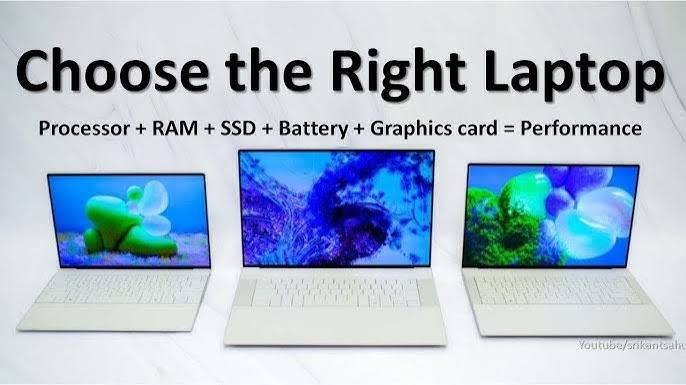
For a laptop, this might involve opening multiple applications, editing videos, browsing with many tabs, or running demanding software. For a smartphone, testers may examine app loading times, gaming performance, multitasking, and overall responsiveness.
Benchmarking tools can provide useful numerical results, but practical performance is equally important. A gadget with a slightly lower benchmark score may still feel faster during normal daily use.
2. Battery Testing
Battery life can have a major effect on the overall experience of using a gadget.
Testing may involve measuring how long a device lasts during video playback, web browsing, gaming, music streaming, or standby use. Charging speed is often tested as well.
Battery performance can vary depending on screen brightness, network connection, applications, temperature, and user behavior. For this reason, testers usually perform several types of tests rather than relying on one battery-life figure.
A device that lasts all day under normal use is often more practical than one that offers impressive performance but requires frequent charging.
3. Build Quality and Durability
A gadget can have excellent features but still be disappointing if it is poorly built.
During gadget testing, the materials, buttons, ports, hinges, screens, and overall construction may be examined carefully. Testers also look for signs of weak construction or components that may become problematic over time.
Durability testing can include controlled drops, pressure tests, water-resistance checks, temperature exposure, and repeated-use tests, depending on the product.
However, consumers should remember that controlled durability tests do not guarantee that a gadget will survive every accident in everyday life.
4. Display and Visual Quality
For devices with screens, display testing is another major part of the process.
Testers may examine brightness, color accuracy, contrast, viewing angles, refresh rate, resolution, and outdoor visibility. These characteristics can make a significant difference when watching movies, editing photographs, playing games, or simply reading text.
A high-resolution display is not automatically a great display. Poor color accuracy or weak brightness can make the experience less enjoyable despite impressive specifications.
5. Camera Testing
Cameras have become one of the most important features of modern smartphones and other portable devices.
Gadget testing can involve taking photographs in bright daylight, low light, indoor environments, and challenging situations. Testers may also examine video stabilization, autofocus, zoom quality, portrait effects, and front-camera performance.
Instead of judging a camera from a single photograph, experienced testers compare results across different conditions. This provides a much more realistic understanding of what the camera can actually do.
Software and User Experience
Hardware is only one part of a modern gadget. Software can have an equally important impact.
During testing, reviewers may check how easy the device is to set up, navigate, customize, and use. They may also look for bugs, crashes, unwanted applications, confusing menus, and software limitations.
Updates are another consideration. A gadget that receives regular software and security updates can remain useful for longer than a similar device that receives little support.
User experience is difficult to measure with a single number. Something that feels intuitive to one person may seem complicated to another. This is why hands-on testing is so valuable.
Gadget Testing in Real-World Conditions
One of the biggest differences between basic testing and useful testing is the environment in which the product is evaluated.
Laboratory tests can provide controlled and repeatable results, but real-world testing shows how a gadget behaves during normal life.
For example, a smartphone may be used for navigation, calls, photography, social media, streaming, and gaming throughout an entire day. A laptop might be carried between different locations and used for work, entertainment, video calls, and multitasking.
Real-world testing helps expose small inconveniences that technical specifications often overlook. Maybe a laptop’s keyboard becomes uncomfortable after several hours, or a smartwatch’s interface is difficult to navigate while exercising. These details matter to consumers.
The Role of Independent Gadget Testing
Independent testing is particularly valuable because it can provide an outside perspective.
Manufacturers naturally want to present their products in the best possible light. Independent reviewers and testing organizations can evaluate products without being responsible for selling them.
This does not mean every independent review is automatically perfect. Testers can have different methods, preferences, and priorities. One reviewer may care heavily about gaming performance, while another focuses on battery life or camera quality.
For this reason, consumers should look at multiple trustworthy reviews when making an expensive purchase.
Common Mistakes During Gadget Testing
Not all testing methods are equally useful. One common mistake is focusing too heavily on specifications.
A product may have a powerful processor, a high-resolution camera, or a large battery, but those numbers do not always translate into a better experience.
Another mistake is testing a gadget for only a few minutes. Some problems become noticeable only after several hours or days of use. Battery drain, software bugs, heat management, and comfort are examples of issues that may require longer testing.
Ignoring the intended audience is another problem. A budget smartphone should not necessarily be judged by exactly the same standards as a premium flagship device. A product should be evaluated according to its purpose and price.
How Consumers Can Test Gadgets at Home
You do not need a professional laboratory to perform basic gadget testing yourself.
When buying a new device, start by checking its essential functions. Test the screen, buttons, speakers, cameras, charging port, wireless connections, and other features that you are likely to use regularly.
Then use the gadget naturally for several days. Pay attention to battery life, comfort, speed, heat, software stability, and ease of use.
It is also useful to test the features that matter most to you. If you are buying a phone mainly for photography, spend more time testing its cameras. If you need a laptop for work, test the keyboard, trackpad, multitasking ability, webcam, and battery performance.
This approach gives you a more meaningful evaluation than simply comparing specification sheets.
The Future of Gadget Testing
As technology becomes more advanced, gadget testing is also evolving. Artificial intelligence, smart sensors, automated benchmarks, and advanced laboratory equipment are making it possible to evaluate products in increasingly detailed ways.
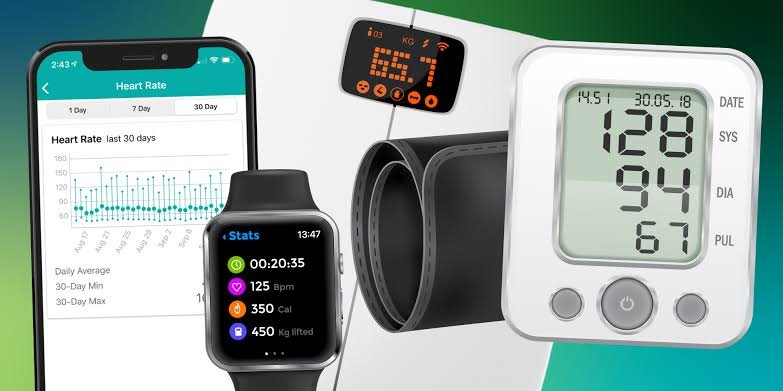
Wearable devices, smart home products, electric mobility gadgets, and AI-powered hardware are creating new testing challenges. Reviewers and manufacturers must consider not only physical performance but also privacy, security, connectivity, software updates, and intelligent features.
At the same time, real-world testing will remain important. Numbers can tell us how a device performs under specific conditions, but human experience explains what it is actually like to live with that device.
Final Thoughts
Gadget testing is an essential part of understanding modern technology. It helps consumers look beyond advertising and specifications to discover how a product performs in practical situations.
A thorough evaluation should consider performance, battery life, durability, display quality, cameras, software, usability, and long-term reliability. Most importantly, testing should reflect the way people will actually use the gadget.
Whether you are considering a new smartphone, laptop, smartwatch, camera, or another piece of technology, taking time to research testing results can prevent disappointing purchases. The best gadget is not always the one with the biggest specifications or the most features. It is the one that performs reliably, feels comfortable to use, and genuinely meets your needs.
In a world filled with constantly changing technology, good gadget testing gives consumers something extremely valuable: confidence before they buy.