In today’s digital world, almost everything depends on the internet. We use computers and smartphones to communicate, shop online, manage bank accounts, store personal information, run businesses, and access important services. While the internet offers countless benefits, it also creates security risks. Hackers, malware, viruses, and other online threats are constantly looking for ways to access devices and sensitive information. This is where firewall protection becomes important.
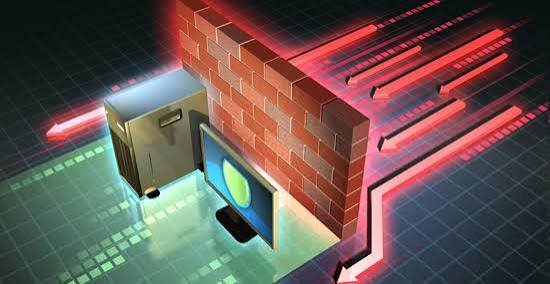
A firewall acts as a security barrier between a trusted network or device and potentially dangerous internet traffic. It monitors incoming and outgoing connections and decides whether they should be allowed or blocked. Although firewalls have been around for many years, they remain one of the most important components of modern cybersecurity.
What Is Firewall Protection?
Firewall protection is a security system designed to control network traffic based on predefined security rules. It examines data traveling between your device or network and the internet and determines whether that traffic appears safe.
Think of a firewall as a security guard at the entrance of a building. The guard checks who is coming in, who is going out, and whether they have permission to enter. Similarly, a firewall checks network connections and blocks traffic that violates its security rules.
Firewalls can be software-based, hardware-based, or built into larger network security systems. They can protect individual computers, smartphones, home networks, business networks, servers, and cloud environments.
The main purpose is simple: prevent unauthorized access while allowing legitimate communication to continue.
How Does a Firewall Work?
A firewall works by monitoring network traffic and comparing it with a set of security rules. These rules can consider several factors, including the source of the traffic, destination, port, protocol, and type of connection.
When a request reaches a protected device or network, the firewall analyzes it. If the connection matches an approved rule, the firewall allows it to continue. If the traffic appears suspicious or violates the configured rules, it can block the connection.
For example, suppose an unknown external computer attempts to connect to a service on your home network. If the firewall does not recognize or permit that connection, it can prevent the request from reaching the protected device.
Modern firewalls can perform much more advanced analysis than simply checking basic connection information. Some can inspect application-level traffic, identify suspicious behavior, detect known threats, and work alongside other security technologies.
Types of Firewall Protection
Different environments require different types of firewall protection. The most common options include the following.
Software Firewalls
A software firewall is installed directly on a computer, server, or other device. It monitors traffic entering and leaving that specific device.
Software firewalls are particularly useful for individual users because they can provide an additional layer of protection even when the device is connected to an unfamiliar network.
Many operating systems already include built-in firewall functionality, allowing users to control which applications can communicate through the network.
Hardware Firewalls
A hardware firewall is a physical device positioned between a network and an external connection, such as the internet. Instead of protecting only one computer, it can protect multiple devices connected to the same network.
Hardware firewalls are common in businesses, schools, offices, and larger organizations. They can provide centralized control over network traffic and security policies.
For a home user, a wireless router may also include basic firewall capabilities, creating a security barrier between household devices and the public internet.
Network Firewalls
Network firewalls are designed to protect an entire network rather than a single device. They control traffic moving between different networks or network segments.
Organizations often use network firewalls to separate internal systems from external networks. They can also be configured to restrict communication between different departments, servers, or other parts of an organization’s infrastructure.
Cloud Firewalls
As businesses increasingly move applications and data to cloud platforms, cloud-based firewall protection has become more important.
Cloud firewalls can protect applications, virtual machines, cloud networks, and other online resources. They can also be scaled according to changing business requirements, making them useful for organizations with dynamic cloud environments.
Why Is Firewall Protection Important?
The internet is filled with potential security threats. Without appropriate protection, an exposed device or network may become an attractive target for attackers.
Firewall protection helps reduce these risks by controlling unauthorized network connections. It can prevent certain types of unwanted traffic from reaching protected systems and can limit communication that does not meet established security requirements.
For businesses, this protection can be especially important. A successful cyberattack can result in stolen information, service interruptions, financial losses, and damage to a company’s reputation.
Firewalls are also valuable for home users. Personal devices may contain private photographs, documents, passwords, financial information, and other sensitive data. A properly configured firewall can help create another barrier against unauthorized network access.
However, it is important to understand that a firewall is not a complete cybersecurity solution. It works best as part of a broader security strategy.
Firewall Protection and Cybersecurity
Firewall protection is one layer of a larger cybersecurity system. Other security measures may include antivirus software, malware protection, strong passwords, multi-factor authentication, regular software updates, encryption, secure backups, and employee security training.
For example, a firewall may block an unauthorized network connection, but it cannot necessarily stop a user from voluntarily downloading a malicious file. Similarly, it cannot replace good password practices or protect against every type of social engineering attack.
This is why effective cybersecurity requires multiple defensive layers. If one security measure fails, another may still help reduce the damage.
This approach is often described as defense in depth, where multiple security controls work together instead of relying on a single technology.
Common Firewall Features
Modern firewall solutions can offer a wide range of features depending on the product and environment.
Traffic filtering is one of the basic functions. It allows administrators to define which types of connections should be permitted or denied.
Application control can provide more detailed control over specific applications and services. For example, an organization may restrict certain applications from accessing the internet.
Some advanced firewalls also provide intrusion prevention capabilities, helping identify and stop suspicious network activity. Other solutions can integrate with threat intelligence systems to identify potentially dangerous addresses or domains.
Logging is another valuable feature. Firewalls can record network activity, allowing security teams to investigate unusual behavior and understand what is happening within a network.
How to Improve Firewall Security
Installing a firewall is only the first step. Proper configuration and regular maintenance are equally important.
First, users should avoid allowing unnecessary connections. Every open service or unnecessary network permission can potentially increase the attack surface.
Firewall rules should also be reviewed regularly. Old rules may no longer be needed and can create unnecessary security risks.
Software and firewall devices should be kept updated. Security updates can fix vulnerabilities and improve protection against newly discovered threats.
Organizations should also monitor firewall logs for unusual activity. Repeated connection attempts, unexpected traffic patterns, or other unusual events may indicate a potential security problem.
Finally, firewall settings should be tested periodically to make sure they are working as expected. A firewall that is incorrectly configured may provide much less protection than users assume.
Can a Firewall Stop All Cyberattacks?
No. A firewall is an important security tool, but it cannot stop every cyberattack.
Cybercriminals use many different techniques, including phishing, malicious attachments, stolen credentials, social engineering, vulnerable applications, and compromised accounts. Some attacks may not involve the type.
Conclusion
Firewall protection is an essential part of modern cybersecurity. It helps monitor network traffic, prevent unauthorized connections, and create an important security barrier between trusted systems and potential online threats. Whether you are protecting a personal computer, home network, or business infrastructure, a properly configured firewall can significantly improve your overall security.However, a firewall should not be considered a complete solution on its own. Combining firewall protection with antivirus software, strong passwords, multi-factor authentication, regular updates, secure backups, and good online habits provides a much stronger defense against cyber threats.