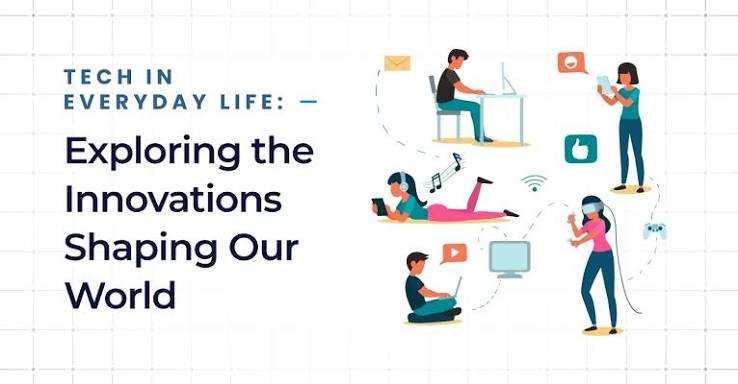
Technology is changing faster than ever. Every day, new devices, software, artificial intelligence tools, apps, and digital services are introduced to make life easier, faster, and more connected. For people who want to stay informed, following Tech Updates has become an important part of understanding what is happening in the modern digital world.
From artificial intelligence and smartphones to cybersecurity and smart homes, technology is influencing almost every part of our daily lives. Some innovations are designed for entertainment, while others are transforming workplaces, education, healthcare, transportation, and communication. Keeping up with these changes can help individuals and businesses make better decisions and understand where the digital world is heading.
Why Tech Updates Matter
Technology is no longer something limited to computer experts or large companies. Almost everyone interacts with technology throughout the day. We use smartphones to communicate, online platforms to work, digital banking to manage money, and smart devices to control different parts of our homes.
This is why Tech Updates are valuable. They provide information about new products, software improvements, emerging technologies, and changes in the digital industry.
For consumers, technology news can help when deciding whether to purchase a new phone, laptop, smartwatch, or other device. For businesses, staying informed can reveal new tools that improve productivity and customer service.
Technology also changes quickly. A device that seems advanced today may become outdated within a few years. Following reliable technology news makes it easier to understand these changes instead of being surprised by them.
Artificial Intelligence Continues to Grow
One of the biggest topics in current technology is artificial intelligence, commonly known as AI. AI has moved from being a concept associated mainly with science fiction to becoming part of everyday digital experiences.
AI tools can now help people write content, analyze information, create images, translate languages, organize tasks, and answer questions. Businesses are also using AI to automate repetitive work and provide more personalized services.
One important development is the increasing use of generative AI. Instead of simply following fixed instructions, generative AI systems can create new text, images, audio, video, and other forms of content based on user requests.
However, the growth of AI also creates challenges. Questions about privacy, copyright, misinformation, employment, and responsible use are becoming increasingly important. As AI technology develops, people will need to understand not only what these systems can do but also their limitations.
Smartphones Are Becoming More Powerful
Smartphones remain one of the most important pieces of technology in everyday life. Manufacturers continue to improve cameras, processors, displays, battery performance, connectivity, and software.
Modern smartphones can perform tasks that once required separate devices. A single phone can act as a camera, navigation system, gaming device, communication tool, payment method, and portable computer.
Another major trend is the growing use of AI features inside smartphones. New devices are increasingly capable of processing certain AI functions directly on the phone. This can improve features such as photo editing, voice recognition, translation, and personalized recommendations.
Foldable phones are another interesting area of development. Although they remain more expensive than many traditional smartphones, improvements in flexible displays and device design could make foldable technology more practical for a wider audience over time.
The Rise of Smart Homes
Smart home technology is also becoming more common. Connected lights, thermostats, security cameras, doorbells, speakers, appliances, and other devices allow homeowners to control different parts of their homes using smartphones or voice commands.
The main attraction of smart home technology is convenience. People can adjust the temperature, check security cameras, turn lights on or off, and monitor certain appliances without physically being near them.
Energy efficiency is another potential benefit. Smart thermostats and connected energy systems can help households monitor and manage energy consumption.
At the same time, connected devices introduce privacy and security concerns. Every internet-connected device can potentially become a target for cyberattacks if it is not properly protected. Consumers should therefore consider security features before adding new smart devices to their homes.
Cybersecurity Is More Important Than Ever
As technology becomes more deeply connected to our lives, cybersecurity has become a major concern. Cybercriminals continue to develop new ways to steal information, compromise accounts, spread malware, and trick users.
Phishing remains one of the most common threats. A fraudulent email or message may look legitimate and attempt to convince someone to click a harmful link or provide sensitive information.
Strong passwords, multi-factor authentication, software updates, and careful online behavior can significantly improve digital security.
Businesses face even greater challenges because a successful cyberattack can affect thousands or even millions of users. Companies are therefore investing heavily in security software, employee training, monitoring systems, and data protection.
Following Tech Updates related to cybersecurity can help people understand emerging threats and learn about practical ways to protect their digital information.
Cloud Computing Is Changing the Way We Work
Cloud computing has transformed how individuals and organizations store and access information. Instead of keeping everything on a single computer or physical server, users can access files, applications, and services through internet-connected systems.
This approach has become especially useful for remote and hybrid work. Employees can collaborate on documents, communicate through online platforms, and access important business systems from different locations.
Cloud services can also make it easier for companies to scale their operations. Businesses can increase or reduce computing resources depending on their needs instead of purchasing large amounts of physical hardware.
However, cloud technology also requires careful attention to security, privacy, and reliability. Organizations need to make sure that important information is properly protected and that employees understand how to use cloud services safely.
Wearable Technology Is Evolving
Smartwatches, fitness trackers, wireless earbuds, and other wearable devices have become popular technology products. These devices are becoming smaller, more powerful, and more capable.
Smartwatches can display notifications, track physical activity, monitor certain health-related measurements, provide navigation, and support communication. Fitness trackers can help users understand activity levels and develop healthier daily habits.
The future of wearable technology could involve even more advanced sensors and personalized features. However, as wearables collect increasing amounts of personal information, privacy will remain an important consideration.
People should understand what data a device collects, where that information is stored, and how it is used before purchasing or activating a wearable product.
Technology Is Transforming Education
Education has also changed significantly because of digital technology. Students can access online courses, educational videos, digital libraries, interactive applications, and virtual classrooms from almost anywhere.
AI-powered learning tools may provide personalized explanations and help students practice specific subjects. Digital platforms can also make it easier for teachers to share assignments, communicate with students, and monitor progress.
However, technology should support education rather than completely replace traditional learning methods. Students still benefit from human interaction, critical thinking, discussion, creativity, and guidance from teachers.
The challenge is finding the right balance between digital tools and traditional educational experiences.
The Future of Transportation
Transportation is another field experiencing rapid technological development. Electric vehicles, advanced driver-assistance systems, connected cars, and autonomous driving technologies are changing how people think about transportation.
Electric vehicles have attracted significant attention because they can reduce dependence on traditional gasoline-powered engines. Improvements in battery technology, charging infrastructure, and vehicle design are helping make electric transportation more practical.
Autonomous driving is another area receiving considerable investment. While fully self-driving transportation remains a complicated challenge, modern vehicles already include features such as automatic emergency braking, lane assistance, adaptive cruise control, and parking assistance.
The development of these technologies will depend not only on engineering but also on safety standards, regulations, infrastructure, and public acceptance.
Technology and the Workplace
The modern workplace is becoming increasingly digital. Communication platforms, project management software, cloud services, automation tools, and AI assistants are helping employees complete tasks more efficiently.
Automation can handle repetitive activities, allowing workers to spend more time on creative and strategic responsibilities. At the same time, employees need to develop new skills to remain competitive as technology changes.
Digital skills are becoming valuable across almost every industry. Understanding basic data analysis, cybersecurity, AI tools, online collaboration, and digital communication can provide advantages in many careers.
Rather than simply replacing workers, technology is likely to continue changing the types of tasks people perform and the skills employers value.
How to Keep Up With Tech Updates
With so much technology news available online, it can be difficult to know what information deserves attention. Not every headline represents a major technological breakthrough.
A good approach is to follow reliable technology publications, official product announcements, industry reports, and trusted experts. It is also useful to compare information from multiple sources before accepting a major claim.
Readers should pay attention to the difference between a product announcement, a rumor, a prediction, and a confirmed development. This can prevent confusion and help people develop a more realistic understanding of technology.
It is also helpful to focus on technology that has practical relevance. Instead of trying to follow every single announcement, people can concentrate on areas that matter most to their work, education, hobbies, or daily life.
Frequently Asked Questions
1. What are Tech Updates?
Tech Updates are the latest news, developments, innovations, and changes in the world of technology. They can include information about AI, smartphones, software, cybersecurity, gadgets, and other emerging technologies.
2. Why are Tech Updates important?
Tech Updates help people understand new technologies and how they may affect everyday life, work, education, and business. They can also help consumers make better decisions when choosing technology products and services.
3. What are the latest technology trends?
Some major technology trends include artificial intelligence, generative AI, smart devices, cloud computing, cybersecurity, wearable technology, electric vehicles, and automation.
4. How does artificial intelligence affect technology?
Artificial intelligence is making technology more capable of understanding information, generating content, automating tasks, and providing personalized experiences. It is being used across industries, including education, business, healthcare, and entertainment.
5. How can I stay updated with technology news?
You can follow trusted technology websites, official company announcements, industry publications, and technology experts. Comparing information from multiple reliable sources can also help you avoid inaccurate or misleading news.
Final Thoughts
The world of technology is constantly evolving. Artificial intelligence, smartphones, smart homes, cybersecurity, cloud computing, wearable devices, digital education, and electric transportation are just some of the areas experiencing major changes.
Following Tech Updates is not simply about knowing which new gadget has been released. It is about understanding how technology is influencing the way people live, work, communicate, learn, and make decisions.
The most important thing is to stay curious and informed. Technology will continue to develop, and new innovations will bring both opportunities and challenges. People who understand these changes will be better prepared to use technology effectively while also recognizing its risks.
The future of technology is difficult to predict, but one thing is certain: change will continue. By following trustworthy Tech Updates, individuals and businesses can stay prepared for what comes next and make smarter choices in an increasingly digital world.