Technology has become one of the most powerful forces shaping modern life. From the smartphone in our hands to the software businesses use every day, technology is changing how people communicate, work, travel, shop, learn, and even take care of their health. At the center of this transformation are tech innovations, which continue to introduce new ideas, products, and solutions to everyday problems.
Tech innovations are not limited to futuristic machines or complicated computer systems. They can be as simple as a new mobile application that makes banking easier or as advanced as artificial intelligence systems that can analyze huge amounts of information in seconds. What makes these innovations important is their ability to improve existing processes and create opportunities that were once difficult to imagine.
What Are Tech Innovations?
Tech innovations refer to new or improved technologies, tools, systems, and methods designed to solve problems or make existing tasks more efficient. Innovation can involve creating something completely new, but it can also mean improving an existing product or process.
For example, smartphones were not simply an invention of a new communication device. They brought together cameras, internet access, GPS, entertainment, banking, and countless other services in one portable device. This type of development shows how technology can combine different ideas to create something more useful.
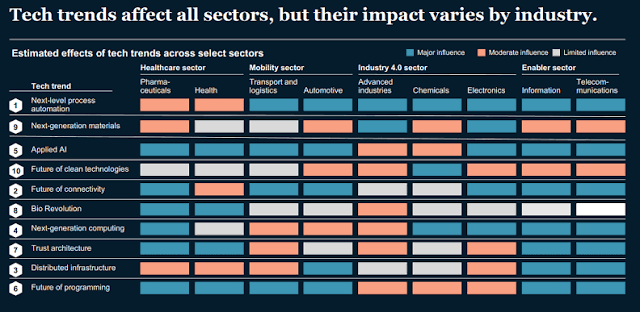
Today, innovation is happening across almost every industry. Healthcare companies are developing smarter diagnostic tools, manufacturers are using robotics, financial institutions are adopting digital services, and schools are using online platforms to make education more accessible.
Artificial Intelligence Is Driving a New Wave of Innovation
Artificial intelligence, commonly known as AI, is one of the biggest areas of technological development today. AI allows computers and software systems to perform tasks that traditionally required human intelligence, such as recognizing patterns, understanding language, analyzing information, and generating content.
Businesses are increasingly using AI to improve customer service, automate repetitive tasks, detect fraud, and analyze data. In healthcare, AI can assist professionals in reviewing medical images and identifying patterns that may require closer attention. In education, intelligent software can help personalize learning experiences for students.
Generative AI has also changed the way people interact with technology. Instead of simply following fixed commands, modern AI tools can produce text, images, software code, summaries, and other forms of content based on natural-language instructions.
However, the growth of AI also raises important questions. Privacy, misinformation, job displacement, copyright, and responsible use are all issues that need careful consideration. The future of AI will depend not only on how powerful these systems become but also on how responsibly they are developed and used.
The Growth of Smart Devices and the Internet of Things
Another major area of tech innovation is the Internet of Things, often called IoT. This concept involves connecting everyday physical objects to the internet so they can collect, exchange, or respond to information.
Smartwatches, connected home security systems, smart thermostats, fitness trackers, and connected appliances are common examples. These devices can make everyday activities more convenient while providing users with useful information.
For businesses, IoT can be even more valuable. Factories can use connected sensors to monitor machines and identify potential problems before equipment fails. Transportation companies can track vehicles and optimize routes. Agriculture businesses can use sensors to monitor soil conditions, temperature, and water levels.
As connectivity improves, more devices are expected to become intelligent and connected. The challenge will be protecting these systems from cyber threats and ensuring that personal information is handled responsibly.
Technology Is Transforming Healthcare
Healthcare is another field experiencing remarkable changes because of tech innovations. Digital health platforms, wearable devices, telemedicine, robotics, and advanced data analysis are changing how patients and healthcare professionals interact.
Telemedicine, for instance, allows patients to communicate with healthcare professionals remotely. This can be particularly useful for people who live far from medical facilities or have difficulty traveling.
Wearable technology can also provide users with information about activity levels, sleep patterns, heart rate, and other health-related measurements. While these devices are not replacements for professional medical care, they can encourage people to pay greater attention to their health and lifestyle.
Robotic technology is also being explored and used in medical environments. Surgical systems can assist trained professionals with precise movements, while automated systems can support hospitals with tasks such as transportation and logistics.
The combination of technology and healthcare could lead to faster services, better access, and more personalized care. At the same time, medical technology requires strong privacy and security protections because health information is highly sensitive.
The Rise of Sustainable Technology
Technology is not only focused on speed and convenience. Increasingly, innovation is also being used to address environmental challenges.
Renewable energy technologies, electric vehicles, energy-efficient buildings, battery storage systems, and smart power grids are examples of developments aimed at creating a more sustainable future.
Electric vehicles are becoming more advanced as manufacturers improve battery technology, charging systems, and vehicle software. At the same time, renewable energy systems are becoming an increasingly important part of efforts to reduce dependence on traditional fossil fuels.
Smart technology can also help reduce waste. Businesses can use data to understand energy consumption and identify areas where resources are being unnecessarily used. Smart buildings can automatically adjust lighting, heating, and cooling based on occupancy and environmental conditions.
Sustainable tech innovations will become increasingly important as governments, businesses, and consumers look for practical ways to reduce environmental impact.
Tech Innovations Are Changing the Workplace
The modern workplace has changed significantly because of technology. Cloud computing, video conferencing, collaboration platforms, automation, and AI-powered tools allow people to work together from different locations.
Remote and hybrid work have become more practical because employees can access files, communicate with colleagues, attend meetings, and manage projects online. This has given businesses greater flexibility while allowing many workers to avoid daily commuting.
Automation is also changing the nature of jobs. Repetitive administrative tasks can often be handled by software, allowing employees to spend more time on creative thinking, decision-making, communication, and problem-solving.
This does not mean technology will eliminate every traditional job. Instead, many roles are likely to evolve. Workers may need to develop new digital skills and learn how to work effectively alongside automated systems.
For businesses, investing in employee training will therefore be just as important as investing in new technology.
Education Is Becoming More Accessible
Education has also benefited from technological innovation. Online learning platforms, digital classrooms, interactive educational applications, and AI-powered learning tools provide students with new ways to access information.
A student can now watch a lecture, participate in an online discussion, complete an interactive exercise, or research a topic without being physically present in a traditional classroom.
Technology can also support personalized learning. Digital systems can identify areas where a student is struggling and provide additional practice or resources. This approach can make learning more flexible and adaptable.
However, access remains an important issue. Not every student has reliable internet access, modern devices, or a quiet place to study. As education becomes increasingly digital, ensuring equal access to technology will remain a major challenge.
The Importance of Cybersecurity
As technology becomes more deeply connected to everyday life, cybersecurity becomes increasingly important. More connected devices and digital services mean more opportunities for cybercriminals to target individuals and organizations.
Businesses need to protect customer information, financial data, intellectual property, and internal systems. Individuals also need to take basic precautions, such as using strong passwords, enabling multi-factor authentication, keeping software updated, and being cautious with suspicious messages or links.
Future tech innovations will need to consider security from the beginning rather than treating it as an afterthought. A powerful technology is only truly useful if people can trust it.
What Does the Future of Tech Innovation Look Like?
The future of technology is difficult to predict because innovation often develops in unexpected directions. Technologies that seem experimental today may become common in the future, while some highly publicized ideas may never achieve widespread adoption.
Artificial intelligence, robotics, quantum computing, advanced biotechnology, augmented reality, and next-generation communication networks are among the areas that could influence the coming years.
The most successful innovations will likely be those that solve genuine problems. People do not adopt technology simply because it is new. They adopt it when it provides clear value, saves time, reduces costs, improves experiences, or creates possibilities that were previously unavailable.
The future may also bring greater collaboration between different technologies. AI could work alongside robotics, IoT devices could provide data to intelligent systems, and renewable energy technologies could become more closely connected with smart infrastructure.
Frequently Asked Questions About Tech Innovations
1. What are tech innovations?
Tech innovations are new or improved technologies, tools, products, or systems created to solve problems, improve efficiency, or make everyday activities easier. They include developments in areas such as artificial intelligence, robotics, smart devices, healthcare, renewable energy, and digital communication.
2. Why are tech innovations important?
Tech innovations are important because they can improve productivity, save time, reduce costs, and provide better solutions to everyday problems. They also help businesses grow, improve access to services, and create new opportunities in different industries.
3. What are some examples of tech innovations?
Examples of tech innovations include artificial intelligence, smart home devices, electric vehicles, wearable technology, cloud computing, robotics, telemedicine, renewable energy systems, and advanced cybersecurity tools. These technologies are increasingly becoming part of everyday life.
4. How is artificial intelligence changing technology?
Artificial intelligence is changing technology by allowing computers to analyze information, recognize patterns, understand language, automate tasks, and generate content. Businesses and individuals use AI for customer service, research, data analysis, education, healthcare, and many other applications.
5. How do tech innovations affect businesses?
Tech innovations can help businesses automate repetitive work, improve customer experiences, analyze data, reduce operating costs, and communicate more effectively. Modern digital tools also allow companies to support remote and hybrid work while reaching customers through online platforms.
6. Can tech innovations help protect the environment?
Yes. Many tech innovations are being developed to support environmental sustainability. Electric vehicles, renewable energy systems, smart grids, energy-efficient buildings, and battery storage technologies can help reduce energy waste and support efforts to lower environmental impact.
7. What challenges are associated with tech innovations?
Although technology provides many benefits, it can also create challenges involving cybersecurity, privacy, misinformation, job changes, digital inequality, and responsible use of artificial intelligence. Addressing these issues is important for ensuring that technological progress benefits society safely and fairly.
8. What can we expect from tech innovations in the future?
Future tech innovations may bring further developments in artificial intelligence, robotics, quantum computing, biotechnology, augmented reality, and advanced communication systems. The most valuable innovations will likely focus on solving real-world problems and making technology more useful, secure, accessible, and sustainable.
Conclusion
Tech innovations are changing nearly every part of modern society. From artificial intelligence and smart devices to healthcare technology, sustainable energy, digital education, and workplace automation, new technological ideas are creating both opportunities and challenges.
The most important thing to remember is that technology itself is only a tool. Its impact depends on how people design, regulate, adopt, and use it. Responsible innovation can improve lives, increase productivity, expand access to services, and help solve complex global problems.
As technology continues to develop, staying informed and adaptable will become increasingly valuable. The future will not simply be about having the newest devices or software. It will be about using tech innovations intelligently to create a more connected, productive, secure, and sustainable world.