Technology has become one of the most important parts of modern life. From the smartphone in our hand to the smart devices in our homes, technology is changing how we communicate, work, learn, travel, and even entertain ourselves. Every year, new inventions and digital solutions appear, making our lives faster and more connected.
The term latest technology refers to the newest tools, systems, software, and innovations that are shaping the world today. Some of these technologies are already part of our daily routines, while others are still developing. Artificial intelligence, robotics, smart devices, advanced healthcare, electric vehicles, and next-generation communication are just a few examples.
Understanding these developments is important because technology is not simply about new gadgets. It can influence businesses, education, healthcare, jobs, and the way people interact with the world around them.
Artificial Intelligence Is Leading the Technology Revolution
Artificial intelligence, commonly known as AI, is one of the biggest developments in modern technology. AI allows computers and machines to perform tasks that normally require human intelligence, such as understanding language, recognizing images, analyzing information, and making predictions.
Today, AI is being used in many different industries. Businesses use it to analyze customer behavior and automate repetitive tasks. Healthcare organizations can use AI to help analyze medical information. Students and professionals use AI-powered tools for research, writing, learning, and productivity.
One reason AI has become so influential is its ability to process huge amounts of information quickly. Instead of spending hours analyzing data manually, organizations can use intelligent systems to identify patterns and useful insights.
However, the growth of AI also creates important questions about privacy, employment, misinformation, and responsible use. As AI becomes more powerful, governments, companies, and individuals will need to find ways to use it safely and ethically.
Smart Devices Are Making Everyday Life More Connected
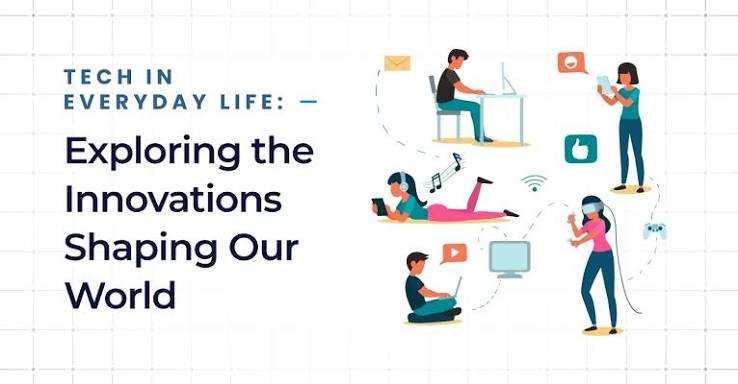
Another major part of the latest technology is the growth of smart devices. Smartphones, smart watches, smart televisions, security cameras, speakers, and home appliances can now connect to the internet and communicate with other devices.
This development is often connected with the Internet of Things, or IoT. The basic idea behind IoT is simple: everyday objects can collect information, connect to networks, and respond to users.
For example, a smart thermostat can learn a household’s preferences and automatically adjust the temperature. Smart security systems can send alerts to a person’s phone when unusual activity is detected. Wearable devices can monitor activities such as steps, exercise, and sleep patterns.
The goal of these technologies is to make everyday activities more convenient. At the same time, connected devices create concerns about data security. The more devices people connect to the internet, the more important it becomes to protect personal information.
Electric Vehicles Are Transforming Transportation
Transportation is another area where technology is developing rapidly. Electric vehicles, or EVs, have become increasingly popular as manufacturers work on cleaner and more efficient forms of transportation.
Unlike traditional vehicles that depend primarily on gasoline or diesel engines, electric vehicles use electric motors powered by batteries. Modern EVs can offer impressive performance while producing no direct tailpipe emissions.
Battery technology is also improving. Researchers and manufacturers are working to increase driving range, reduce charging time, and make batteries more affordable. Charging infrastructure is expanding as well, making electric vehicles more practical for everyday use.
Beyond passenger cars, electric technology is being explored for buses, trucks, bicycles, and other forms of transportation. Autonomous driving technology is also being developed, although fully self-driving transportation still faces technical, legal, and safety challenges.
Robotics Is Moving Beyond Factories
Robots are no longer limited to traditional manufacturing environments. Advances in sensors, AI, computer vision, and machine learning are allowing robots to perform increasingly complex tasks.
In factories, robots can assemble products, move materials, and perform repetitive jobs with high precision. In warehouses, automated systems can sort packages and transport goods. Robots are also being developed for areas such as agriculture, healthcare, exploration, and disaster response.
Humanoid robots have received particular attention because they are designed to operate in environments created for humans. Their development is still in progress, but improvements in AI and robotics could eventually allow such machines to assist with a wide range of tasks.
The future of robotics will depend not only on what machines can do but also on how humans choose to work alongside them.
Technology Is Changing Healthcare
Healthcare is experiencing major changes because of digital technology. Modern medical systems can use advanced software, connected devices, robotics, and data analysis to improve patient care.
Wearable technology can help people track certain health-related measurements and physical activity. Telemedicine allows patients to communicate with healthcare professionals remotely, which can be especially useful for people who have difficulty traveling to medical facilities.
AI is also being researched and used in medical applications, including medical image analysis and clinical decision support. These systems are not replacements for doctors, but they can potentially provide useful information that helps medical professionals make better-informed decisions.
Robotic systems are also being used in some surgical procedures, where precision and controlled movement are particularly valuable.
As healthcare technology develops, protecting sensitive patient information will remain a major priority.
Faster Communication With Next-Generation Networks
Communication technology continues to evolve as well. High-speed mobile networks have made it possible to connect smartphones, computers, vehicles, industrial systems, and other devices more efficiently.
Faster networks are important because modern applications increasingly depend on large amounts of data. Video streaming, cloud services, connected vehicles, online gaming, smart cities, and industrial automation all benefit from reliable high-speed connections.
Future communication systems are expected to provide even greater speed, lower latency, and improved connectivity. These improvements could support applications that require almost immediate communication between devices.
For ordinary users, better connectivity can mean smoother online experiences. For businesses and industries, it can create opportunities for more advanced automation and remote operations.
Cloud Computing Is Becoming Essential
Cloud computing has changed how people and organizations store and use digital information. Instead of keeping everything on a local computer or physical server, users can access computing resources and data through internet-based services.
Cloud technology makes it easier for companies to scale their operations without purchasing large amounts of physical infrastructure. Employees can also access files and applications from different locations, supporting remote and hybrid work.
Many of the digital services people use every day depend on cloud infrastructure. Streaming platforms, online storage, business applications, and AI services all rely heavily on powerful data centers and cloud computing systems.
As cloud use grows, cybersecurity and energy efficiency will become increasingly important.
Extended Reality Is Creating New Digital Experiences
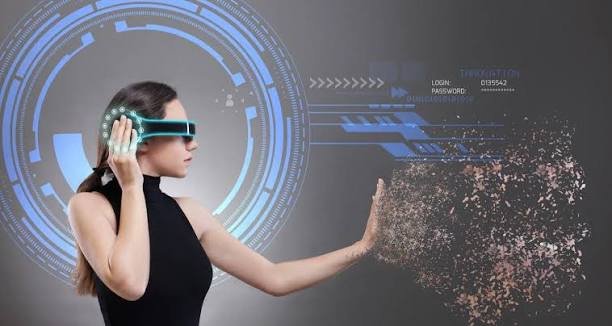
Virtual reality and augmented reality are also developing rapidly. Virtual reality, or VR, creates immersive digital environments, while augmented reality, or AR, adds digital information to the user’s view of the real world.
These technologies are already used for gaming and entertainment, but their potential goes much further. Companies can use VR for employee training and simulations. Educational institutions can create interactive learning experiences. Architects and designers can visualize projects before they are physically built.
AR can also provide useful information while people are performing real-world tasks. For example, technicians could receive digital instructions while repairing equipment.
Although extended reality still faces challenges such as hardware cost, comfort, and content availability, improvements in devices and software could make these technologies more common.
Cybersecurity Is More Important Than Ever
As technology becomes more connected, cybersecurity becomes increasingly important. Personal information, financial records, business documents, and communication can all be targeted by cybercriminals.
Modern cybersecurity uses technologies such as encryption, automated threat detection, multi-factor authentication, and AI-assisted monitoring to identify and prevent attacks.
Individuals also have an important role to play. Using strong passwords, enabling multi-factor authentication, updating software, and being careful with suspicious messages can reduce common security risks.
The future of technology will not only be about creating new capabilities. It will also involve protecting the systems and people who use them.
What Does the Future of Technology Look Like?
The future is likely to bring even closer connections between different technologies. AI may work together with robotics, cloud computing, smart devices, and advanced networks. Electric vehicles could become more integrated with smart energy systems. Healthcare devices may provide more personalized information to patients and professionals.
However, technological progress is not automatically beneficial. New technology can create new risks and social challenges. Questions about privacy, digital inequality, employment, environmental impact, and responsible AI will become increasingly important.
People and organizations will need to learn how to adopt new technologies without ignoring their potential disadvantages.
Frequently Asked Questions
1. What is the latest technology?
The latest technology refers to new and advanced tools, systems, software, and innovations that are changing the way people live and work. Examples include artificial intelligence, robotics, electric vehicles, smart devices, cloud computing, and advanced communication networks.
2. Why is the latest technology important?
The latest technology is important because it can make everyday tasks easier, improve productivity, support better communication, and create new opportunities. It is also helping industries such as healthcare, education, transportation, and business become more efficient.
3. How is artificial intelligence changing our lives?
Artificial intelligence is helping computers perform tasks that normally require human intelligence. It is being used for data analysis, language processing, automation, customer service, healthcare applications, education, and many other purposes.
4. What are some examples of the latest technology?
Some major examples include artificial intelligence, smart home devices, electric vehicles, robotics, cloud computing, virtual reality, augmented reality, advanced mobile networks, and modern cybersecurity systems.
5. How is technology improving healthcare?
Technology is improving healthcare through telemedicine, wearable devices, AI-assisted analysis, digital medical records, and robotic systems. These tools can help healthcare professionals provide more efficient and personalized care.
6. Are electric vehicles part of the latest technology?
Yes. Electric vehicles are an important development in modern transportation technology. Improvements in batteries, charging systems, and vehicle software are helping make electric transportation more practical and efficient.
7. What are the risks of new technology?
New technology can create risks related to privacy, cybersecurity, misinformation, job displacement, and excessive dependence on digital systems. Responsible development and proper security measures are important for reducing these risks.
8. What can we expect from future technology?
Future technology may bring more advanced AI, smarter robots, improved electric vehicles, faster communication networks, better healthcare devices, and more immersive digital experiences. Many technologies are likely to become increasingly connected and automated.
Conclusion
The latest technology is changing almost every part of modern life. Artificial intelligence is making software more capable, smart devices are connecting homes, electric vehicles are changing transportation, and robotics is expanding beyond traditional factories. At the same time, cloud computing, advanced communication networks, healthcare technology, and extended reality are opening new possibilities.
What makes today’s technology especially interesting is that these developments are increasingly connected. A single innovation can influence several industries at the same time.
The future will undoubtedly bring technologies that are difficult to imagine today. Some will succeed, while others may disappear. What matters most is how people use these innovations. When technology is developed responsibly and used thoughtfully, it can improve productivity, create new opportunities, solve difficult problems, and make everyday life more convenient.