Technology is moving faster than ever, and every year brings a fresh wave of devices designed to make our lives easier, smarter, and more connected. From artificial intelligence-powered tools to innovative wearables and smarter home devices, new gadgets are becoming an important part of everyday life. Some are created to solve simple problems, while others completely change the way we work, communicate, travel, or entertain ourselves.
What makes today’s gadgets particularly interesting is that technology is no longer limited to computers and smartphones. Small devices can now perform tasks that once required large machines or expensive equipment. At the same time, manufacturers are focusing more on convenience, personalization, portability, and energy efficiency.
Whether you are a technology enthusiast or simply someone who enjoys discovering useful products, there are plenty of exciting gadgets worth watching in 2026.
Smart Wearable Devices
Wearable technology continues to be one of the fastest-growing areas in consumer electronics. Smartwatches, fitness trackers, smart rings, and other wearable devices have become much more advanced than they were a few years ago.
Modern smartwatches can do far more than display notifications. They can monitor daily activity, track workouts, provide navigation, manage calls, and connect with other smart devices. Many models also use advanced sensors to provide users with detailed information about their everyday habits.
Smart rings are another interesting development. Because they are smaller and lighter than traditional smartwatches, they can be comfortable to wear throughout the day. Depending on the model, they may track activity, sleep patterns, and other personal metrics.
The biggest advantage of these gadgets is convenience. Instead of constantly reaching for a phone, users can access important information directly from a device worn on their wrist or finger.
AI-Powered Personal Gadgets
Artificial intelligence has become one of the biggest influences on the latest generation of gadgets. AI is being built into devices that people use every day, making them more responsive and personalized.
AI-powered personal assistants can understand natural language and help users organize information, create reminders, answer questions, summarize content, and perform everyday tasks. Some newer devices are also designed to interact with users in a more conversational way.
Smartphones are benefiting from AI as well. Features such as intelligent photo editing, real-time translation, voice recognition, writing assistance, and personalized recommendations are becoming increasingly common.
The interesting part is that AI is gradually moving from being a feature inside an application to becoming part of the overall device experience. Instead of simply following commands, future gadgets are expected to understand context and anticipate what users may need.
Smart Home Gadgets
The smart home market continues to expand as more people look for convenient ways to manage their homes. Smart lights, security cameras, connected thermostats, smart locks, and intelligent kitchen appliances are all becoming easier to use.
One of the most useful developments is the ability to control several devices from a single platform. For example, a homeowner may be able to adjust lighting, check a security camera, lock a door, or change the temperature using a smartphone or voice command.
Smart security gadgets are particularly popular because they can provide homeowners with greater visibility when they are away. Modern cameras can offer motion alerts and other intelligent features, helping users keep an eye on their property.
Another advantage of smart home technology is energy management. Connected lights and thermostats can help reduce unnecessary energy use by automatically adjusting settings based on schedules or activity.
Next-Generation Audio Gadgets
Audio technology is also evolving quickly. Wireless earbuds have become smaller, more comfortable, and more capable, while headphones continue to improve in areas such as noise cancellation and sound quality.
One major trend is adaptive audio. Instead of simply blocking outside sounds, newer audio devices can adjust their behavior depending on the environment. This can be useful when moving between a quiet room, a busy street, and public transportation.
Some earbuds are also becoming useful productivity tools. They can support voice commands, calls, translation features, and integration with digital assistants.
For music lovers, improvements in sound quality remain important. For everyday users, however, comfort and battery life can be just as valuable. A technically impressive pair of earbuds is not very useful if they are uncomfortable after an hour of use.
Portable Entertainment Gadgets
Entertainment has become increasingly mobile, and manufacturers are responding with smaller and more powerful devices. Portable gaming systems, compact projectors, streaming devices, and advanced tablets are giving people more ways to enjoy entertainment wherever they are.
Portable gaming gadgets are especially appealing to people who want a console-like experience without staying in front of a television. Modern handheld systems can provide impressive graphics while remaining small enough to carry in a backpack.
Mini projectors are another interesting category. A compact projector can turn a wall or screen into a temporary home theater, making it useful for movie nights, presentations, or travel.
The popularity of these devices shows that consumers are looking for flexibility. Instead of being tied to one location, people want technology that can move with them.
Smart Gadgets for Productivity
Technology is also changing the way people work. New productivity gadgets are designed to reduce distractions, organize information, and make repetitive tasks easier.
Portable monitors, smart keyboards, digital note-taking devices, and advanced webcams are examples of tools that can improve a modern workspace. For remote workers, having lightweight equipment that can be transported easily can make working from different locations much simpler.
Digital notebooks are another growing category. They combine some of the convenience of traditional writing with digital storage and organization. Users can take notes with a stylus and keep their work available without carrying several physical notebooks.
These gadgets may not look as exciting as futuristic robots, but they can have a meaningful impact on everyday productivity.
Gadgets for Health and Fitness
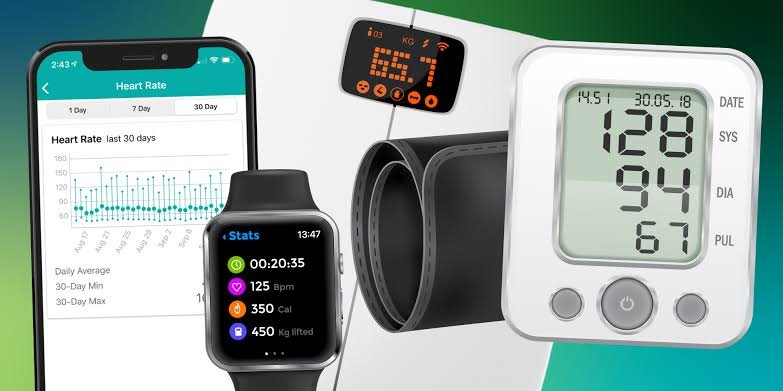
Health and fitness technology has become more accessible to ordinary consumers. Smart scales, fitness trackers, connected exercise equipment, and wearable sensors can help people understand their routines and stay motivated.
Many fitness gadgets focus on collecting useful information. Users can track workouts, activity levels, sleep habits, and other measurements through connected applications.
The real value of these devices is not simply the amount of data they collect. It is how that information is presented. A good gadget should make information easy to understand and encourage users to make practical changes.
However, people should remember that consumer fitness gadgets are not replacements for professional medical advice. Their measurements can be useful for general awareness, but important health concerns should always be discussed with a qualified professional.
Eco-Friendly Gadgets
Sustainability is becoming an increasingly important consideration in technology. Consumers are paying more attention to how products are manufactured, how long they last, and what happens when they are no longer useful.
Some new gadgets are being designed with energy efficiency and longer product lifespans in mind. Solar-powered accessories, rechargeable devices, energy-monitoring tools, and products made with recycled materials are examples of this broader movement.
Repairability is also becoming more important. A gadget that can be repaired instead of completely replaced may reduce electronic waste and save consumers money over time.
This shift is encouraging manufacturers to think beyond simply making devices more powerful. Durability and responsible design are becoming part of the conversation around modern technology.
The Future of New Gadgets
The next generation of gadgets will likely become even more integrated into everyday life. Artificial intelligence, advanced sensors, faster connectivity, and improved batteries are expected to play major roles in future products.
One important trend will be smaller technology with greater capabilities. Devices may become less noticeable while still performing increasingly complex tasks. Instead of carrying several separate gadgets, users may eventually rely on a smaller number of highly connected devices.
Personalization is another major area to watch. Future gadgets may learn individual preferences and automatically adjust their behavior. This could make technology feel more natural because users would spend less time manually changing settings.
At the same time, privacy will remain an important issue. As gadgets collect more information about users and their environments, consumers will need to pay attention to how that data is stored and used.
Choosing the Right Gadget
With so many new gadgets entering the market, choosing the right one can be difficult. A device may have dozens of impressive features, but that does not necessarily mean it is the best choice for every person.
Before buying a gadget, it is worth considering how often you will actually use it. Battery life, compatibility, durability, software support, privacy, and repair options can be just as important as technical specifications.
Price should also be considered carefully. The newest model is not always the best value. Sometimes an older version can provide most of the same features at a significantly lower cost.
Reading independent reviews and checking real-world user experiences can also help. Marketing materials often highlight the most exciting features, while everyday use reveals whether a product is genuinely convenient.
Frequently Asked Questions About New Gadgets
1. What are new gadgets?
New gadgets are modern electronic devices designed to make everyday tasks easier, faster, and more convenient. They can include smartwatches, wireless earbuds, AI-powered devices, smart home products, portable gaming systems, fitness trackers, and many other types of technology.
2. What are the most popular new gadgets?
Some of the most popular new gadgets include AI-powered devices, smartwatches, wireless earbuds, smart home security products, portable gaming devices, digital notebooks, fitness trackers, and compact projectors. Their popularity often depends on current technology trends and consumer needs.
3. Are new gadgets worth buying?
New gadgets can be worth buying when they offer useful features that solve a real problem or improve your daily routine. Before purchasing one, it is a good idea to compare its features, price, battery life, durability, compatibility, and user reviews.
4. How are AI-powered gadgets different from regular gadgets?
AI-powered gadgets can use artificial intelligence to understand commands, recognize patterns, personalize experiences, or automate certain tasks. Unlike basic devices that simply perform programmed functions, AI-powered gadgets can often respond more intelligently to the user’s needs.
5. What are smart home gadgets?
Smart home gadgets are connected devices that allow users to control or automate different parts of their homes. Examples include smart lights, thermostats, security cameras, smart locks, speakers, and connected kitchen appliances.
6. Which gadgets are useful for productivity?
Productivity gadgets can include portable monitors, smart keyboards, digital notebooks, webcams, wireless accessories, and other tools designed to make working easier. These devices can be particularly useful for people who work remotely or frequently move between different locations.
7. Are wearable gadgets useful for fitness?
Yes, wearable gadgets can be useful for tracking general fitness activities such as steps, workouts, activity levels, and sleep patterns. They can help users understand their routines and stay motivated, although they should not be considered a replacement for professional medical advice.
8. What should I consider before buying a new gadget?
Before buying a new gadget, consider its purpose, price, battery life, compatibility, durability, privacy features, software support, and warranty. It is also helpful to read independent reviews and check whether you will actually use the features you are paying for.
9. Are new gadgets becoming more eco-friendly?
Many manufacturers are paying more attention to energy efficiency, recycled materials, longer product lifespans, and repairability. Rechargeable and solar-powered devices are also contributing to the growing interest in more sustainable technology.
10. What will new gadgets look like in the future?
Future gadgets are likely to become smaller, smarter, and more connected. Artificial intelligence, advanced sensors, improved batteries, and faster connectivity may allow devices to provide more personalized experiences while requiring less manual control from users.
Final Thoughts
The world of new gadgets is becoming more exciting as technology continues to evolve. From AI-powered assistants and smart wearables to connected homes, portable entertainment systems, and eco-friendly devices, modern technology is increasingly focused on making everyday experiences easier and more personalized.
The best gadgets are not necessarily the ones with the longest feature lists. They are the ones that solve real problems without creating unnecessary complexity. As technology develops, consumers will have more choices than ever, making it important to focus on usefulness, reliability, privacy, and long-term value.
One thing is certain: gadgets will continue to influence how we work, relax, communicate, and manage our daily lives. The most interesting part of the future may not be a single revolutionary device, but the way different technologies work together to create a simpler and more connected experience.