Technology has become a part of almost every area of our daily lives. From the moment we wake up in the morning until we go to bed at night, we use different types of technology to communicate, work, relax, shop, and even take care of our homes. Among the biggest developments in recent years are smart devices, which are changing the way people interact with technology.
Smart devices are no longer limited to expensive gadgets or futuristic concepts. Today, you can find them in homes, offices, cars, classrooms, and even in our pockets. Smartphones, smartwatches, smart speakers, smart TVs, security cameras, and connected home appliances are just a few examples.
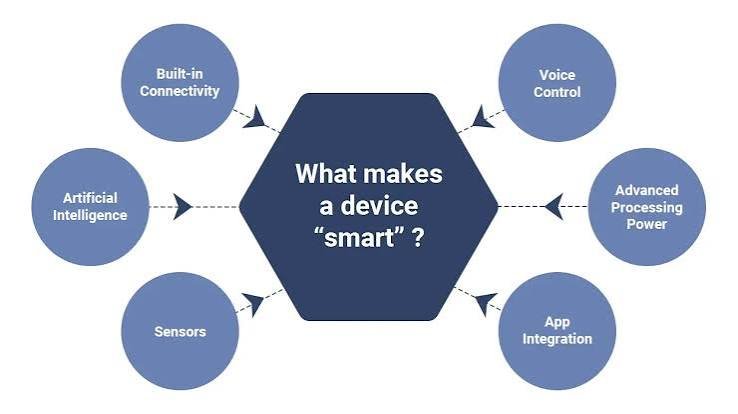
But what exactly makes a device “smart,” and why have these products become so popular? Let’s take a closer look at the world of smart devices and how they are influencing modern life.
What Are Smart Devices?
Smart devices are electronic products that can connect to the internet or communicate with other devices to perform tasks more intelligently. Unlike traditional electronic products, they can often collect information, process data, respond to commands, and automate certain activities.
For example, a traditional light switch simply turns a light on or off. A smart light can be controlled through a smartphone app, voice command, or automatic schedule. Some smart lights can even adjust their brightness and color depending on the time of day.
The same idea applies to many other products. A smart thermostat can learn your temperature preferences, while a smart security camera can send alerts to your phone when it detects movement.
The main goal of smart technology is convenience. Instead of manually controlling everything, users can allow their devices to handle repetitive tasks or provide useful information automatically.
Popular Types of Smart Devices
The smart device market has grown tremendously, giving consumers more choices than ever. Different devices are designed for different needs, but several categories have become especially popular.
Smartphones
Smartphones are probably the most common smart devices in the world. Modern phones can do much more than make calls and send messages. They can provide navigation, entertainment, online banking, photography, video calls, social media, shopping, and access to thousands of applications.
Because smartphones can connect with other devices, they often act as the central control point for a person’s digital life.
Smartwatches
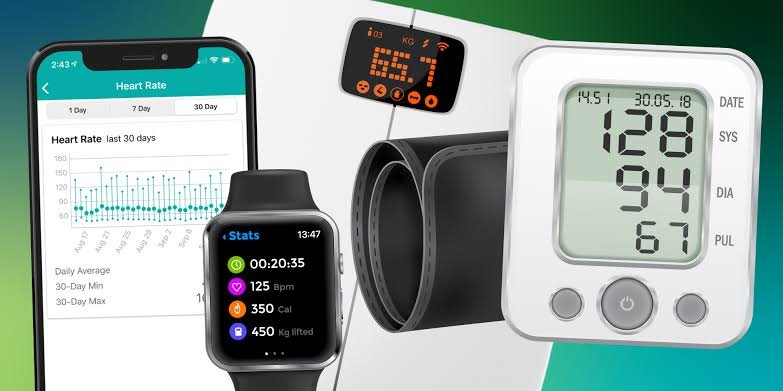
Smartwatches have also become increasingly popular. They can display notifications, track physical activity, provide navigation, play music, and perform many other functions.
Many models can also monitor various health and fitness measurements. For people who want quick access to information without constantly reaching for their phone, a smartwatch can be particularly useful.
Smart Speakers
Smart speakers combine audio technology with voice assistants. Users can ask questions, play music, set reminders, check the weather, or control compatible devices using voice commands.
For example, someone preparing dinner might ask a smart speaker to set a timer without touching their phone. This simple interaction demonstrates how smart technology can make everyday activities easier.
Smart Home Appliances
Smart technology has entered the kitchen, living room, bedroom, and laundry room. Smart refrigerators, washing machines, ovens, coffee makers, and robot vacuum cleaners are becoming more common.
These appliances can offer features such as remote control, scheduling, notifications, and automated operation. A robot vacuum, for instance, can clean a home according to a schedule while the owner is away.
Smart Security Devices
Home security is another major area where smart technology is making a difference. Smart cameras, video doorbells, smart locks, and motion sensors can provide homeowners with greater visibility and control.
Instead of wondering what is happening at home while they are away, users can receive notifications and check compatible cameras remotely. Smart locks can also provide convenient ways to manage access without relying solely on traditional keys.
Benefits of Smart Devices
The popularity of smart devices is not surprising because they can provide several practical benefits.
Convenience
Convenience is one of the biggest advantages. Smart devices can automate tasks that would otherwise require manual effort.
For example, a smart thermostat can adjust the temperature based on a schedule, while smart lights can turn on automatically at specific times. These small conveniences can make a noticeable difference over time.
Automation
Automation allows devices to perform tasks with little or no human interaction. This can be particularly helpful for repetitive activities.
Imagine arriving home and having the lights turn on, the thermostat adjust the temperature, and your favorite music start playing automatically. With a properly connected smart home, these actions can happen without requiring several separate commands.
Better Connectivity
Smart devices can communicate with each other, creating a connected ecosystem. Instead of having isolated gadgets, users can build systems in which different products work together.
For example, a smart doorbell might communicate with a smartphone, while a smart display shows the camera feed. This level of connectivity can make technology feel more integrated into everyday life.
Energy Efficiency
Some smart devices can help users manage energy consumption more effectively. Smart thermostats, lighting systems, and plugs can be programmed to operate only when needed.
Although the actual savings depend on how the devices are used, better control over energy consumption can potentially reduce unnecessary usage.
Remote Control
Another useful feature is remote access. Many smart devices can be controlled through smartphone applications, allowing users to manage them from almost anywhere with an internet connection.
For example, you might check a security camera while traveling or turn off a smart appliance after leaving home. Remote access provides flexibility that traditional devices usually cannot offer.
Are Smart Devices Always a Good Choice?
Although smart devices offer many benefits, they also have disadvantages. Buying a smart product simply because it has an internet connection does not automatically make it better than a traditional alternative.
One concern is cost. Smart versions of everyday products can be more expensive than basic models. Consumers should consider whether the additional features are genuinely useful before spending extra money.
Privacy is another important issue. Some smart devices collect information to provide their services. Depending on the product, this may include usage patterns, voice interactions, location information, or other data.
For this reason, consumers should understand what information a device collects and how that information is handled. Choosing strong passwords, enabling available security features, and keeping software updated are also important steps.
There is also the issue of compatibility. Not every smart device works with every platform or ecosystem. Before purchasing a product, it is worth checking whether it will work with the other devices you already own.
Smart Devices and the Future
The future of smart technology looks increasingly connected. As artificial intelligence and machine learning continue to develop, smart devices may become better at understanding users and predicting their needs.
Instead of simply responding to commands, future devices may be able to recognize patterns and make helpful suggestions. A home system might learn when people usually arrive home, adjust the environment automatically, and notify users when something unusual happens.
Artificial intelligence could also make voice interactions more natural. Instead of memorizing specific commands, users may be able to communicate with devices in a more conversational way.
However, the growth of smart technology will also make privacy and security increasingly important. As more devices become connected, protecting personal information and preventing unauthorized access will remain major challenges.
Manufacturers will need to focus not only on new features but also on creating products that are secure, reliable, and easy to use.
How to Choose the Right Smart Device
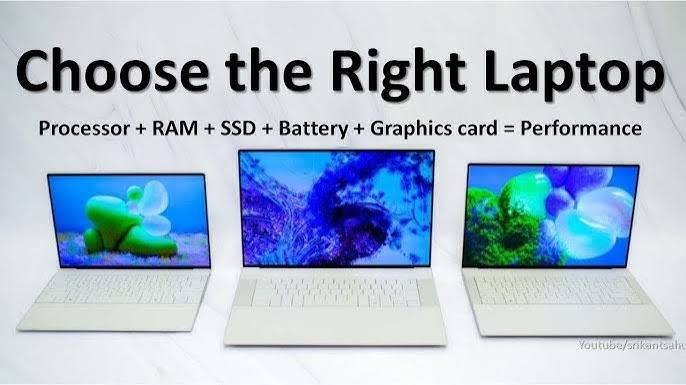
With so many options available, choosing the right smart device can sometimes feel overwhelming. The best approach is to start with your actual needs rather than buying the most advanced product available.
First, consider what problem you want the device to solve. If you want better control over home lighting, smart bulbs may be enough. If security is your priority, a smart camera or video doorbell might make more sense.
Next, check compatibility. Make sure the device works with your smartphone, preferred voice assistant, or existing smart home system.
Security should also be part of the decision. Look for products from reputable manufacturers that provide regular software updates and clear privacy information.
Finally, consider long-term value. A device may have dozens of features, but if you only use one or two of them, a simpler and less expensive product could be the better choice.
The Growing Role of Smart Technology
Smart devices are becoming more than just convenient gadgets. They are gradually becoming part of the infrastructure of modern life. From managing household routines to helping people stay connected, these products are changing expectations about what technology should do.
The most successful smart devices are often those that solve real problems without making everyday life more complicated. Good technology should work quietly in the background, providing useful features when they are needed.
As connected technology continues to improve, consumers will likely see even more intelligent products entering the market. Some may focus on entertainment, while others may improve home security, energy management, communication, or productivity.
The key will be finding a balance between convenience and responsible technology use.
Conclusion
Smart devices have transformed the way people interact with technology. Smartphones, smartwatches, speakers, appliances, cameras, and other connected products can make everyday tasks more convenient, automated, and accessible.
At the same time, consumers need to think carefully about cost, privacy, security, compatibility, and long-term usefulness. A smart device is only valuable when its features actually improve the user’s experience.
As artificial intelligence, connectivity, and automation continue to advance, smart technology is likely to become even more integrated into our everyday routines. The future may bring devices that are more personalized, more efficient, and better at understanding what people need.
For consumers, the goal should not be to own as many smart devices as possible. Instead, it should be to choose technology that genuinely makes life easier, safer, and more productive.