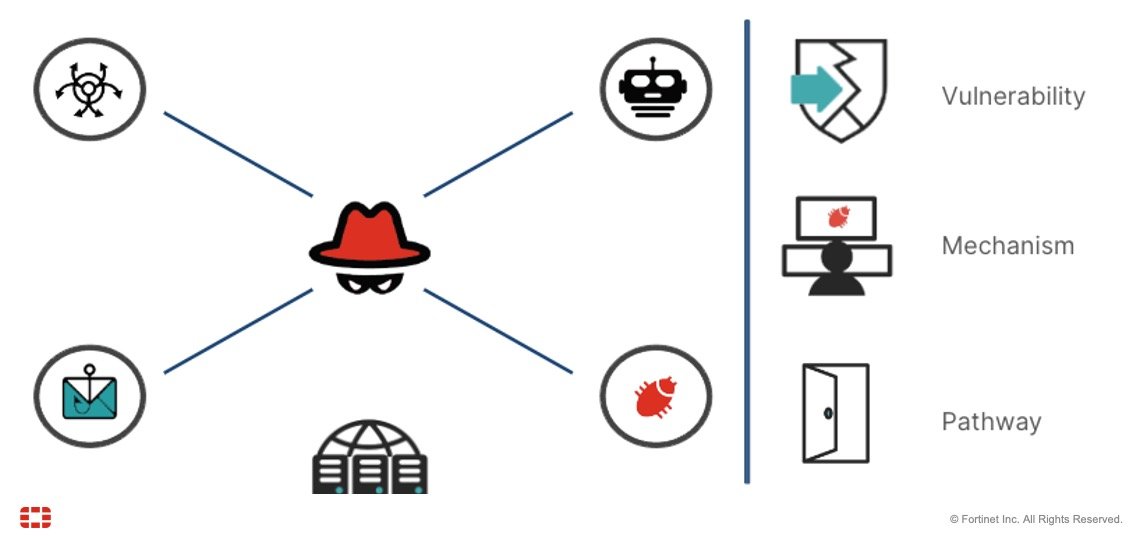
Cyber threats are becoming more advanced every day. Businesses, government organizations, and individuals all depend on digital systems to store information, communicate, and perform important tasks. As technology continues to grow, attackers are also finding new ways to exploit weaknesses. This is why Threat Detection has become an essential part of modern cybersecurity.
Threat detection is the process of identifying suspicious activities, security weaknesses, malware, unauthorized access, and other signs that could indicate a cyberattack. The main purpose is not only to discover an attack but also to identify potential threats early enough to reduce damage.
A strong threat detection strategy allows organizations to understand what is happening inside their networks and systems. When suspicious behavior is detected quickly, security teams can investigate the situation and take action before a small security incident becomes a major breach.
What Is Threat Detection?
Threat detection refers to the technologies, processes, and security practices used to identify potential cyber threats. These threats can come in many forms, including malware, phishing attacks, ransomware, insider threats, credential theft, unauthorized access, and network intrusions.
Traditional security solutions often focus on preventing known threats. However, modern attackers frequently change their techniques. They may use new malware, stolen credentials, social engineering, or previously unknown vulnerabilities to avoid traditional defenses.
Threat detection adds another layer of protection by continuously monitoring systems for unusual activity. Instead of simply asking whether an action is allowed or blocked, advanced security systems can analyze behavior and determine whether something appears suspicious.
For example, if an employee normally logs in from Washington during business hours but suddenly there is a login from another country at 3 a.m., the activity may trigger an alert. It does not automatically mean the account has been compromised, but it gives the security team something that needs investigation.
Why Is Threat Detection Important?
Cyberattacks can cause financial losses, operational disruption, reputational damage, and the exposure of sensitive information. For many organizations, discovering an attack after significant damage has already occurred can be extremely expensive.
Threat detection helps reduce this risk by providing earlier visibility into suspicious activity.
One major benefit is faster response. When security teams receive an alert about unusual behavior, they can investigate it before attackers have more time to move through the environment.
Threat detection can also help organizations discover attacks that traditional security tools may miss. Some attackers deliberately try to appear like normal users or legitimate processes. Behavioral analysis and continuous monitoring can make these activities easier to identify.
Another important advantage is improved visibility. Security teams can monitor endpoints, servers, applications, cloud environments, and network traffic from a more centralized perspective. This makes it easier to understand what is happening across an organization’s digital infrastructure.
How Does Threat Detection Work?
Threat detection usually involves several stages. First, security tools collect information from different sources. These sources may include network devices, computers, servers, applications, cloud platforms, and authentication systems.
The collected information is then analyzed for signs of suspicious behavior. Security systems may compare current activity with known threat intelligence, predefined rules, or normal patterns of behavior.
If something appears unusual, the system can generate an alert. Security professionals then investigate the alert to determine whether it represents a genuine threat or a false positive.
Modern threat detection systems may use several technologies to improve accuracy. These can include artificial intelligence, machine learning, behavioral analytics, endpoint monitoring, and threat intelligence.
The process can be summarized as:
- Collect data from systems, devices, applications, and networks.
- Analyze activity to identify suspicious patterns.
- Detect anomalies that may indicate an attack.
- Generate alerts for security teams.
- Investigate the activity to determine its severity.
- Respond to the threat and take steps to prevent similar incidents.
Common Types of Threat Detection
There is no single approach that can identify every cyber threat. Organizations often combine several detection methods.
Network Threat Detection
Network threat detection monitors traffic moving through a network. It looks for unusual connections, suspicious communication patterns, unauthorized access attempts, and other indicators of compromise.
For example, a device suddenly communicating with a known malicious server could be an important warning sign.
Endpoint Threat Detection
Endpoint detection focuses on individual devices such as laptops, desktops, and servers. Endpoint systems can monitor processes, files, applications, system changes, and user activity.
This approach is especially useful because attackers often attempt to gain control of an endpoint before accessing other resources.
Cloud Threat Detection
As businesses increasingly use cloud services, protecting cloud environments has become a major security priority. Cloud threat detection monitors cloud accounts, applications, configurations, authentication events, and other activities.
It can help identify issues such as suspicious logins, unusual data transfers, compromised accounts, and unauthorized configuration changes.
Behavioral Threat Detection
Behavioral detection focuses on how users and systems normally behave. When activity significantly differs from an established pattern, the system can flag it for investigation.
This method can be valuable when dealing with unknown or evolving threats because it does not always depend on previously identified malware signatures.
The Role of Artificial Intelligence in Threat Detection
Artificial intelligence and machine learning are increasingly being used in cybersecurity. Security environments can generate enormous amounts of data, making it difficult for human analysts to examine everything manually.
AI-based systems can process large volumes of information and identify patterns that might otherwise be overlooked. Machine learning models can learn from historical activity and help distinguish normal behavior from potentially suspicious events.
For example, an AI-powered security system may recognize that a particular user typically accesses a limited number of applications. If that user suddenly downloads a large amount of sensitive information or attempts to access restricted systems, the behavior may receive a higher risk score.
However, AI is not a replacement for security professionals. Automated systems can produce false positives and may misunderstand legitimate business activity. Human expertise remains important for investigating alerts, understanding context, and deciding how to respond.
Threat Detection vs. Threat Prevention
Threat detection and threat prevention are closely related, but they are not the same thing.
Threat prevention focuses on stopping malicious activity before it can cause harm. Firewalls, access controls, antivirus software, and security policies are examples of preventive measures.
Threat detection focuses on identifying suspicious activity that may already be taking place or that has bypassed preventive controls.
A strong cybersecurity strategy needs both. Prevention reduces the number of threats that reach an environment, while detection provides an additional layer of protection when preventive controls are bypassed.
Think of cybersecurity as protecting a building. Prevention is like locking doors and installing security gates. Detection is like having cameras and security personnel who can identify suspicious activity even when someone gets past the first layer of protection.
Challenges in Modern Threat Detection
Although threat detection is essential, it is not always easy to implement effectively.
One common challenge is the large number of security alerts. If a security system generates too many unnecessary alerts, analysts can become overwhelmed. This situation is sometimes called alert fatigue.
Another challenge is the changing nature of cyberattacks. Attackers constantly develop new techniques, which means security teams need to update their detection strategies regularly.
Organizations also have to deal with limited resources. Smaller businesses may not have large security teams or expensive security infrastructure. They therefore need to prioritize the most important assets and use security solutions that provide meaningful visibility without creating unnecessary complexity.
Data quality is another important factor. Detection systems depend on accurate and useful information. Poorly configured monitoring tools can leave security gaps or produce unreliable alerts.
Best Practices for Effective Threat Detection
Organizations can improve their threat detection capabilities by following several practical security practices.
First, they should monitor important systems continuously. Critical servers, user accounts, applications, and network connections should receive appropriate security monitoring.
Second, organizations should keep security software and systems updated. Outdated systems may contain vulnerabilities that attackers can exploit.
Third, security teams should use multiple detection methods instead of depending on one tool. Combining endpoint, network, cloud, and identity monitoring can provide a more complete picture.
Regular employee training is also important. Employees can unintentionally create security risks by clicking phishing links, using weak passwords, or sharing sensitive information.
Organizations should also develop a clear incident response plan. Detecting a threat is only the first step. Teams need to know who is responsible for investigating alerts, isolating affected systems, communicating with stakeholders, and recovering from incidents.
Finally, detection systems should be reviewed and improved regularly. Security teams can learn from previous incidents and use those lessons to improve future monitoring.
The Future of Threat Detection
The future of threat detection will likely involve greater automation, stronger behavioral analysis, and more advanced artificial intelligence. As organizations adopt cloud computing, remote work, connected devices, and other digital technologies, the number of potential attack points will continue to increase.
Security systems will need to analyze activity across many different environments while providing useful information to security professionals.
Automation can help with repetitive tasks, such as collecting evidence, prioritizing alerts, and isolating suspicious devices. At the same time, human analysts will remain essential for making complex decisions and understanding business context.
The goal is not simply to detect more threats. Effective security requires detecting meaningful threats accurately, prioritizing them correctly, and responding quickly.
Conclusion
Threat Detection is one of the most important components of modern cybersecurity. As cyberattacks become more sophisticated, organizations cannot rely only on traditional prevention tools. They need continuous visibility and the ability to recognize suspicious behavior as early as possible.
By combining network monitoring, endpoint security, cloud monitoring, behavioral analysis, threat intelligence, and human expertise, organizations can build a stronger defense against cyber threats.
The most effective approach is proactive rather than reactive. Organizations that continuously monitor their environments, train their employees, update their security controls, and regularly improve their detection processes are better prepared to identify attacks before they become serious incidents.
In a digital world where threats can emerge at any time, effective threat detection provides organizations with something extremely valuable: the ability to see potential danger early and respond before it causes greater damage.