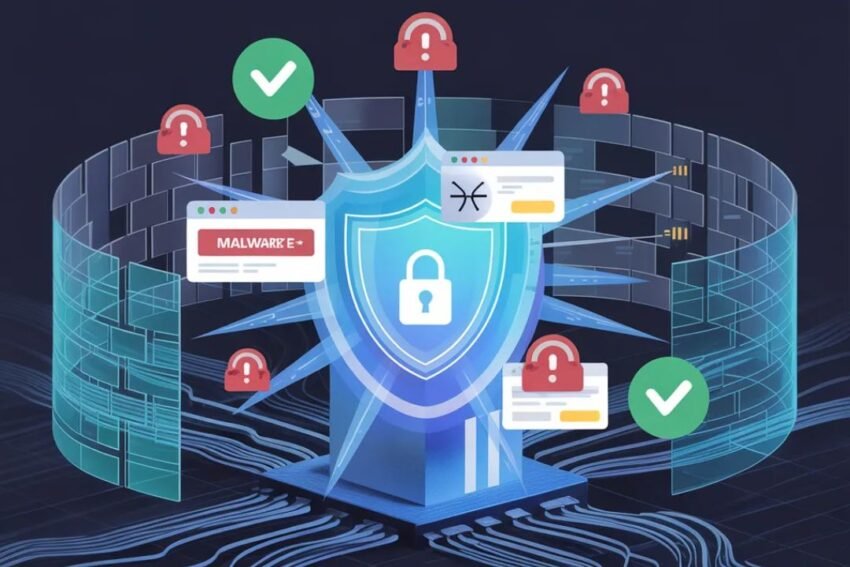
In 2026, cybersecurity is no longer just a technical concern—it is a fundamental part of everyday life. From smartphones and smart homes to global financial systems and national infrastructure, our digital world is deeply interconnected. However, this connectivity comes with a price: an expanding landscape of invisible cyber threats that are more sophisticated, automated, and dangerous than ever before.
Cybercriminals are no longer lone hackers working in isolation. Today, they use artificial intelligence (AI), automation, and even geopolitical strategies to launch highly targeted and large-scale attacks. According to recent insights, AI-related vulnerabilities are now considered the fastest-growing cyber risk, with 87% of organizations identifying them as a major concern .
This article explores the evolving cybersecurity landscape in 2026, the most pressing threats, and practical strategies to protect your digital world.
The Evolution of Cybersecurity in 2026
Cybersecurity has undergone a massive transformation over the past decade. Traditional security measures like firewalls and antivirus software are no longer sufficient to combat modern threats. The rise of AI, cloud computing, and remote work has created new vulnerabilities that attackers are eager to exploit.
One of the most significant changes is the dual role of AI. While organizations use AI to strengthen defenses, cybercriminals are also leveraging it to launch more advanced attacks. This has created what experts call a “cyber arms race,” where both defenders and attackers continuously evolve their strategies .
Additionally, cybersecurity is now influenced by geopolitical tensions. Nation-state attacks targeting critical infrastructure, financial systems, and data centers have become more common. Organizations must now consider global risks alongside traditional cyber threats.
Invisible Threats: The New Face of Cybercrime
1. AI-Powered Cyber Attacks
Artificial intelligence has revolutionized cybercrime. Attackers can now automate tasks such as phishing, malware creation, and vulnerability scanning. AI enables them to launch attacks faster, more accurately, and at a much larger scale.
Modern phishing emails, for example, are no longer filled with obvious errors. AI-generated messages can mimic human writing styles, making them nearly impossible to detect. Similarly, AI-powered malware can adapt its behavior to evade detection.
Research highlights that AI-driven threats include automated malware, deepfakes, adversarial attacks, and AI-powered social engineering . These threats are not only more effective but also harder to trace.
2. Deepfakes and Digital Identity Theft
Deepfake technology has emerged as one of the most dangerous tools in cybercrime. By using AI to create realistic audio and video, attackers can impersonate individuals, including CEOs, politicians, or even family members.
Imagine receiving a video call from your boss asking for urgent financial approval—except it’s not actually them. This level of deception is becoming increasingly common, making identity verification more challenging than ever.
Identity-based attacks are now replacing traditional network-based attacks, as hackers focus on exploiting human trust rather than technical vulnerabilities.
3. Ransomware Evolution
Ransomware remains one of the most destructive cyber threats in 2026. However, it has evolved significantly. Modern ransomware attacks are faster, more targeted, and often involve double or triple extortion tactics.
Attackers not only encrypt data but also threaten to leak sensitive information unless a ransom is paid. In some cases, they target entire supply chains, affecting multiple organizations simultaneously.
4. Supply Chain Attacks
Supply chain attacks exploit vulnerabilities in third-party vendors or software providers. Instead of attacking a single organization, hackers compromise a trusted supplier to gain access to multiple systems.
This type of attack is particularly dangerous because it bypasses traditional security measures. Organizations often trust their vendors, making it easier for attackers to infiltrate systems unnoticed.
5. Quantum Computing Threats
While still emerging, quantum computing poses a significant threat to current encryption methods. Traditional cryptographic systems like RSA and ECC could become obsolete once quantum computers reach full capability.
Experts warn that organizations must begin preparing for post-quantum cryptography to ensure long-term data security .
The Role of AI in Cyber Defense
While AI introduces new risks, it also plays a crucial role in strengthening cybersecurity. Organizations are increasingly using AI-driven tools to detect threats, analyze patterns, and respond to incidents in real time.
AI-powered security systems can:
- Identify unusual behavior across networks
- Detect malware before it spreads
- Automate threat response
- Reduce human error
However, reliance on AI also introduces new challenges. Poorly managed AI systems can create vulnerabilities, especially when employees use unauthorized tools or expose sensitive data. In fact, studies show that many employees use personal AI tools for work, increasing the risk of data leaks .
Human Factor: The Weakest Link
Despite technological advancements, humans remain the weakest link in cybersecurity. Social engineering attacks exploit human psychology rather than technical flaws.
Common human-related risks include:
- Weak passwords
- Falling for phishing scams
- Sharing sensitive information
- Using unsecured networks
Cybersecurity awareness training is no longer optional. Organizations must adopt adaptive training programs that address modern threats, including AI-driven attacks.
Cybersecurity Regulations and Compliance
In 2026, cybersecurity is no longer just an IT issue—it is a business and governance priority. Governments around the world are introducing stricter regulations to ensure data protection and cyber resilience.
Recent developments highlight the importance of compliance, with new rules requiring rapid incident reporting and increased accountability at the executive level .
Organizations must now:
- Implement strong data protection policies
- Ensure compliance with global regulations
- Integrate cybersecurity into business strategy
Failure to comply can result in financial penalties, reputational damage, and loss of customer trust.
Best Practices to Protect Your Digital World
1. Use Strong Authentication Methods
Enable multi-factor authentication (MFA) wherever possible. This adds an extra layer of security beyond passwords.
2. Keep Software Updated
Regular updates ensure that vulnerabilities are patched before attackers can exploit them.
3. Be Cautious with Emails and Links
Always verify the source before clicking on links or downloading attachments.
4. Secure Your Devices
Use antivirus software, firewalls, and encryption to protect your devices.
5. Backup Your Data
Regular backups can help you recover quickly in case of a ransomware attack.
6. Monitor Your Digital Footprint
Limit the amount of personal information you share online to reduce the risk of identity theft.
7. Adopt Zero Trust Security
Zero Trust is a modern security model that assumes no user or device can be trusted by default. Every access request must be verified.
The Future of Cybersecurity
The future of cybersecurity will be defined by innovation, collaboration, and resilience. As threats continue to evolve, organizations must adopt proactive strategies rather than reactive measures.
Key trends shaping the future include:
- AI vs AI cybersecurity battles
- Increased focus on identity security
- Adoption of quantum-resistant encryption
- Greater collaboration between governments and organizations
Cybersecurity is no longer about preventing attacks entirely—it’s about minimizing impact and recovering quickly.
Conclusion
Cybersecurity in 2026 is a complex and rapidly evolving field. Invisible threats powered by AI, deepfakes, and advanced malware are reshaping the digital landscape. At the same time, new technologies and strategies are empowering organizations to defend against these risks.
The key to staying secure lies in awareness, adaptability, and proactive defense. Whether you are an individual user or a large organization, protecting your digital world requires continuous effort and vigilance.
As technology continues to advance, one thing remains clear: cybersecurity is not just an option—it is a necessity.