Technology has become an important part of everyday life, but its impact on businesses is even more significant. From small startups to large corporations, companies now depend on technology to communicate with customers, manage daily operations, protect information, and compete in a fast-moving market. This is where tech solutions come into play.
Tech solutions are not limited to computers or software. They include a wide range of digital tools, services, platforms, and strategies designed to solve business problems and improve performance. The right technology can help a company save time, reduce costs, improve customer service, and make better decisions.
As businesses in the United States continue to adopt digital tools, understanding how tech solutions work and why they matter has become increasingly important.
What Are Tech Solutions?
Tech solutions are technology-based products or services created to address specific problems or improve the way a business operates. These solutions can be simple, such as cloud-based software for storing documents, or highly advanced, such as artificial intelligence systems that analyze large amounts of business data.
A company may use tech solutions for accounting, marketing, customer support, cybersecurity, employee management, communication, sales, or data analysis. Instead of relying on manual processes, businesses can use technology to automate repetitive tasks and make their operations more efficient.
The most useful tech solution is not necessarily the newest or most expensive one. It is the solution that fits a company’s actual needs and helps employees accomplish their goals more effectively.
Why Businesses Need Tech Solutions
Modern businesses operate in an environment where speed and efficiency matter. Customers expect quick responses, employees need easy access to information, and companies must protect sensitive data from growing cybersecurity threats.
Technology can help address these challenges.
For example, cloud computing allows employees to access important files and applications from different locations. This is especially valuable for businesses with remote or hybrid teams. Similarly, customer relationship management software can organize customer information and help sales teams keep track of leads and interactions.
Tech solutions can also reduce the amount of time employees spend on repetitive work. Automated systems can handle tasks such as scheduling, sending notifications, processing certain transactions, and organizing data. Employees can then spend more time on activities that require creativity, communication, and critical thinking.
Common Types of Tech Solutions
There are many categories of technology solutions available to businesses today. Each one serves a different purpose.
Cloud Technology
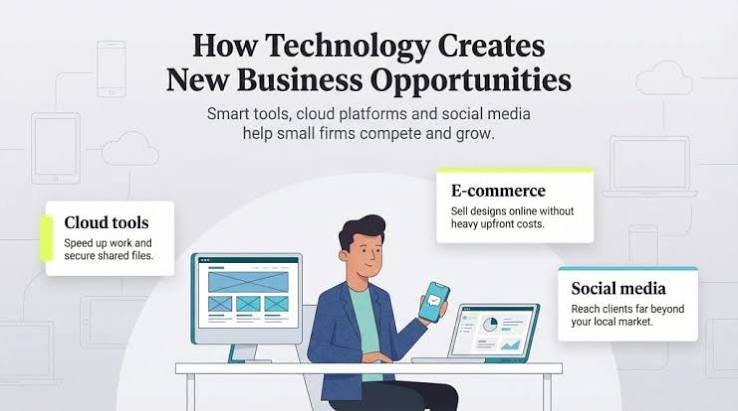
Cloud solutions allow businesses to store data and use software through internet-connected systems rather than relying entirely on physical servers. Cloud technology can make it easier for employees to work from different locations and can also provide flexible storage and computing resources.
For growing companies, cloud solutions can be particularly useful because businesses can often increase or decrease their technology resources as their needs change.
Cybersecurity Solutions
Cybersecurity has become a major concern for businesses of every size. Companies store valuable information such as customer records, financial data, employee information, and business documents.
Cybersecurity solutions can include firewalls, endpoint protection, encryption, identity management, security monitoring, and employee security training. A strong security strategy helps reduce the risk of unauthorized access, malware, phishing attacks, and data breaches.
Artificial Intelligence
Artificial intelligence is quickly becoming one of the most discussed areas of business technology. AI-powered tools can analyze information, identify patterns, automate certain tasks, and assist employees with a variety of activities.
Businesses may use AI for customer support, content analysis, forecasting, data processing, and personalized recommendations. However, companies should implement AI carefully and make sure employees understand how these systems are being used.
Business Management Software
Business management platforms can bring multiple processes together in one system. Depending on the business, these platforms may help manage accounting, inventory, human resources, projects, sales, or customer relationships.
Having organized information in one place can make daily operations easier and reduce confusion between different departments.
Communication Tools
Communication is essential for productive teams. Modern technology provides businesses with email platforms, video conferencing tools, instant messaging, project collaboration systems, and digital workspaces.
These tools can help employees communicate quickly, whether they are working in the same office or from different states.
Benefits of Using Tech Solutions
One of the biggest advantages of technology is improved efficiency. When repetitive tasks are automated, employees can complete their work faster and with fewer errors.
Another major benefit is better decision-making. Businesses generate enormous amounts of information every day. Analytics tools can turn that information into useful insights, helping managers understand customer behavior, identify trends, and evaluate business performance.
Tech solutions can also improve customer experiences. Customers increasingly expect businesses to provide convenient digital services, quick support, secure payment options, and personalized communication.
Technology can also support business growth. A company that has efficient systems in place may be better prepared to handle more customers and employees without increasing every operational cost at the same rate.
Choosing the Right Tech Solution
With so many options available, selecting the right technology can be challenging. Businesses should avoid choosing a solution simply because it is popular or has advanced features.
The first step is to identify the actual problem. A company should ask what is currently slowing down operations, creating unnecessary expenses, or frustrating employees and customers.
Next, businesses should consider ease of use. A powerful platform is not very useful if employees find it confusing or difficult to adopt. Training and ongoing support should also be considered before making a decision.
Cost is another important factor. Companies should look beyond the initial purchase price and consider subscription fees, maintenance, upgrades, training, and integration expenses.
Security should never be overlooked. Any technology that handles sensitive business or customer information should be evaluated carefully for security features and privacy practices.
Tech Solutions for Small Businesses
Technology is not only for large corporations. Small businesses can benefit significantly from affordable digital solutions.
A local business, for example, might use online accounting software, a customer management platform, cloud storage, social media tools, and cybersecurity services without maintaining a large internal IT department.
Small businesses can also use technology to compete with larger organizations. A professional website, online booking system, digital marketing platform, or automated customer communication system can help a small company provide a more convenient experience for its customers.
The key is to choose tools that solve real problems rather than adding unnecessary complexity.
The Role of Tech Solutions in Remote Work
Remote work has changed the way many American businesses operate. Employees can now work from home, coworking spaces, or other locations while remaining connected to their teams.
Tech solutions make this possible through video meetings, cloud storage, collaboration platforms, messaging applications, and secure remote access.
However, remote work also creates challenges. Businesses need strong security controls, reliable communication systems, and clear digital processes. Without the right technology, remote teams can struggle with communication and productivity.
Future Trends in Tech Solutions
The technology industry continues to evolve rapidly. Artificial intelligence, automation, cloud computing, cybersecurity, and data analytics are likely to remain important areas of business investment.
AI will probably become more integrated into everyday business software rather than existing only as a separate tool. Automation may also expand as businesses look for ways to reduce repetitive work.
Cybersecurity will become increasingly important as more business operations move online. Companies will need to protect not only their own systems but also the information they receive from customers and partners.
Another important trend is the growing focus on user experience. Businesses are realizing that technology should make work easier, not more complicated. Future tech solutions will likely place greater emphasis on simplicity, accessibility, personalization, and integration.
Frequently Asked Questions About Tech Solutions
1. What are tech solutions?
Tech solutions are technology-based tools, software, and services designed to solve business problems and improve daily operations. They can include cloud computing, cybersecurity, artificial intelligence, business management software, and communication tools.
2. Why are tech solutions important for businesses?
Tech solutions help businesses save time, reduce costs, improve productivity, protect important data, and provide better customer service. They can also make it easier for companies to adapt to changing market demands.
3. What types of tech solutions do businesses use?
Businesses use many different types of tech solutions, including cloud services, cybersecurity systems, customer relationship management software, artificial intelligence tools, accounting platforms, communication applications, and data analytics systems.
4. Can small businesses benefit from tech solutions?
Yes, small businesses can benefit greatly from tech solutions. Affordable digital tools can help small companies manage finances, communicate with customers, market their services, protect data, and compete more effectively with larger businesses.
5. How do tech solutions improve workplace productivity?
Tech solutions can automate repetitive tasks, organize information, improve communication, and give employees quick access to the tools they need. This allows employees to spend more time on important tasks that require creativity and decision-making.
6. How do I choose the right tech solution for my business?
Start by identifying the specific problem you want to solve. Then compare different solutions based on features, ease of use, cost, security, scalability, and customer support. The best tech solution is one that meets your business needs without adding unnecessary complexity.
Conclusion
Tech solutions have become an essential part of modern business. They can help organizations improve efficiency, protect valuable information, communicate more effectively, understand their customers, and create better experiences.
The best technology strategy is not about using every new tool available. It is about finding practical solutions that address specific business needs. Whether a company is a small local business or a large organization, the right technology can provide valuable support and create opportunities for long-term growth.
As technology continues to develop, businesses that remain open to useful innovation will be better positioned to adapt to changing customer expectations and market conditions. In the years ahead, tech solutions will continue to shape how companies work, compete, and serve their customers.